
What Are the Treatment Options for Melanoma Cancer?
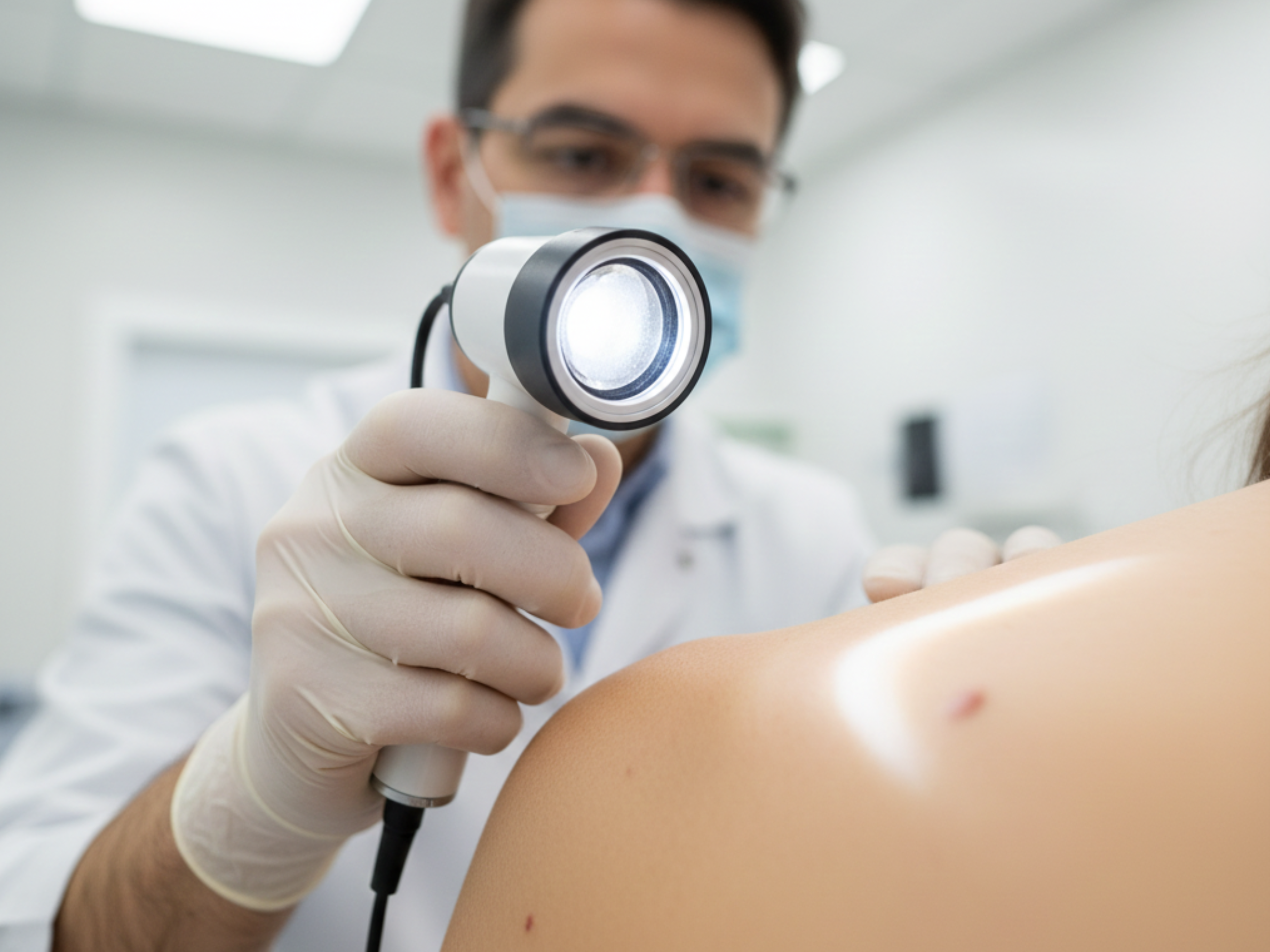
Melanoma is a type of skin cancer that develops when pigment-producing cells called melanocytes grow abnormally. Early detection can make treatment more manageable, while advanced melanoma may require a combination of treatments. The choice of melanoma cancer treatment depends on factors such as the stage of the cancer, its location, overall health and whether it has spread to other parts of the body.
If you notice a new mole or an existing spot that changes in size, shape or colour, it is important to seek medical advice. A professional melanoma check can help assess suspicious skin changes and determine whether further testing is needed.
How Is Melanoma Diagnosed?
Before deciding on treatment, a doctor usually assesses the suspicious area carefully. They may examine the skin using specialised equipment and ask about changes in a mole or lesion.
If a spot appears concerning, a biopsy may be recommended. During a biopsy, a small sample of tissue is removed and examined under a microscope. The results can help confirm whether melanoma is present and provide information that guides treatment planning.
Doctors may also recommend additional tests for some patients, particularly when there is concern that melanoma may have spread.
Surgery for Early Melanoma
Surgery is commonly used when melanoma has been detected at an early stage. The surgeon removes the melanoma along with some surrounding healthy-looking tissue to reduce the chance of leaving cancerous cells behind.
For many early melanomas, removing the affected area may be the main treatment required. The size and depth of the melanoma can influence how much surrounding tissue the surgeon needs to remove.
In some cases, doctors may also assess nearby lymph nodes to check whether cancer cells have spread beyond the original skin lesion.
Immunotherapy for Advanced Melanoma
Immunotherapy has become an important treatment option for some people with advanced melanoma. These medicines help the immune system recognise and attack cancer cells more effectively.
Doctors may recommend immunotherapy when melanoma has spread to other areas or when surgery alone may not be enough. The specific medicine and treatment schedule depend on the individual case.
Because immunotherapy can cause side effects, patients need regular medical monitoring throughout treatment.
Targeted Therapy for Certain Melanomas
Some melanoma cells contain specific genetic changes that help them grow. Doctors can test melanoma tissue for certain mutations and may recommend targeted medicines when an appropriate mutation is present.
Targeted therapy works by interfering with particular signals that cancer cells use to grow and survive. This approach does not suit every patient, so genetic testing and specialist assessment play an important role in deciding whether it is appropriate.
Radiation Therapy
Radiation therapy uses high-energy radiation to damage cancer cells. Doctors may consider it in selected cases, particularly when melanoma has spread to certain parts of the body or when surgery is not suitable.
Radiation treatment can also help manage symptoms caused by advanced melanoma. The treatment plan depends on the location and extent of the cancer.
Treatment for Advanced Melanoma
When melanoma spreads to lymph nodes or other organs, treatment often becomes more complex. Doctors may use immunotherapy, targeted therapy, surgery, radiation therapy or a combination of these approaches.
The medical team considers several factors before recommending a treatment plan. These may include the location of the melanoma, stage of disease, genetic features of the cancer and the person’s general health.
Treatment for advanced melanoma requires ongoing monitoring. Doctors may use scans, blood tests and clinical assessments to understand how the cancer responds to treatment.
Why Early Detection Matters?
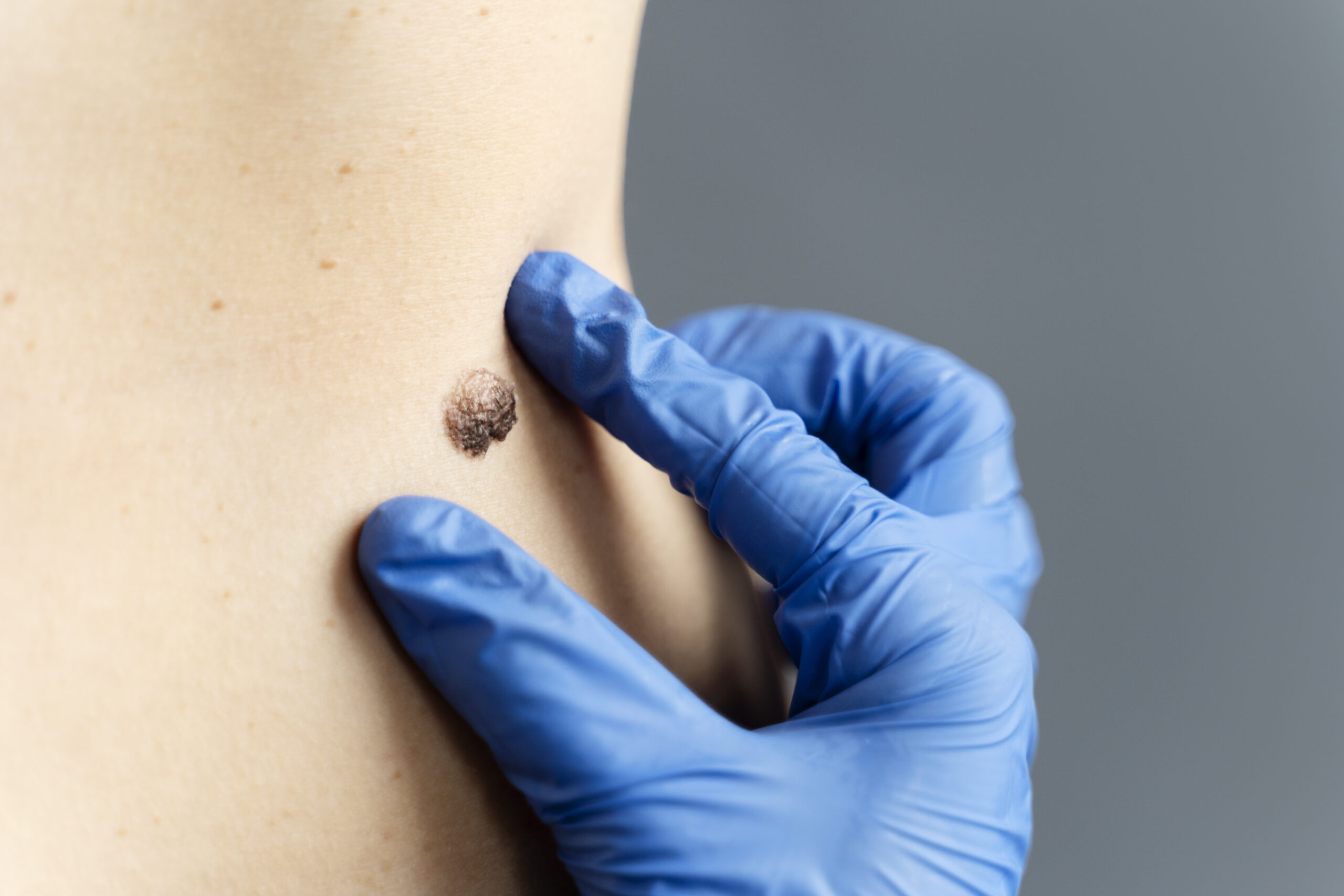
Melanoma can sometimes develop from an existing mole, but it can also appear as a new spot on the skin. Changes that deserve attention include an uneven shape, irregular borders, multiple colours, increasing size or noticeable changes over time.
Regularly checking your skin can help you notice changes early. However, self-checks do not replace professional assessment. If you notice something unusual or have concerns about a particular spot, arrange a skin examination.
A professional melanoma check may help identify suspicious lesions that require closer assessment. People with a history of melanoma or other risk factors may also benefit from discussing an appropriate skin monitoring schedule with a qualified healthcare professional.
What Should You Expect During Treatment?
Melanoma treatment varies from person to person. Some people may need only surgery, while others may require longer-term treatment and follow-up.
Your doctor will explain the recommended approach, possible benefits, risks and expected side effects. It is important to attend follow-up appointments and report any new or unusual symptoms during treatment.
Patients should also continue monitoring their skin and protect it from excessive ultraviolet exposure. Using sun protection, wearing protective clothing and seeking shade can help reduce further UV exposure.
Frequently Asked Questions
1. What is the most common treatment for early melanoma?
Surgery is commonly used to remove early-stage melanoma. The exact procedure depends on the size, depth and location of the melanoma.
2. Can melanoma be treated without surgery?
Some advanced melanomas may be treated with medicines such as immunotherapy or targeted therapy. The suitable approach depends on the individual diagnosis and stage.
3. Is a melanoma check necessary if a mole has not changed?
A professional skin examination may still be useful, particularly for people with risk factors or a personal history of skin cancer. A doctor can advise how often checks may be appropriate.
4. How is advanced melanoma treated?
Advanced melanoma may require treatments such as immunotherapy, targeted therapy, surgery or radiation therapy. Doctors may combine treatments depending on how the cancer behaves.
5. When should I see a doctor about a skin spot?
See a healthcare professional if you notice a new or changing mole, an unusual skin lesion, bleeding, persistent itching or other concerning changes.
Conclusion
Melanoma treatment depends on the stage and characteristics of the cancer. Options can include surgery, immunotherapy, targeted therapy and radiation therapy, depending on individual circumstances. Early assessment can help doctors identify melanoma sooner and determine an appropriate treatment pathway. Canberra Skin Cancer Clinic provides skin cancer screening, assessment and treatment services in Canberra, helping patients seek professional advice when they notice concerning skin changes.