
Dental Crown Dubai: How Is a Tooth Evaluated Before Crown Treatment?
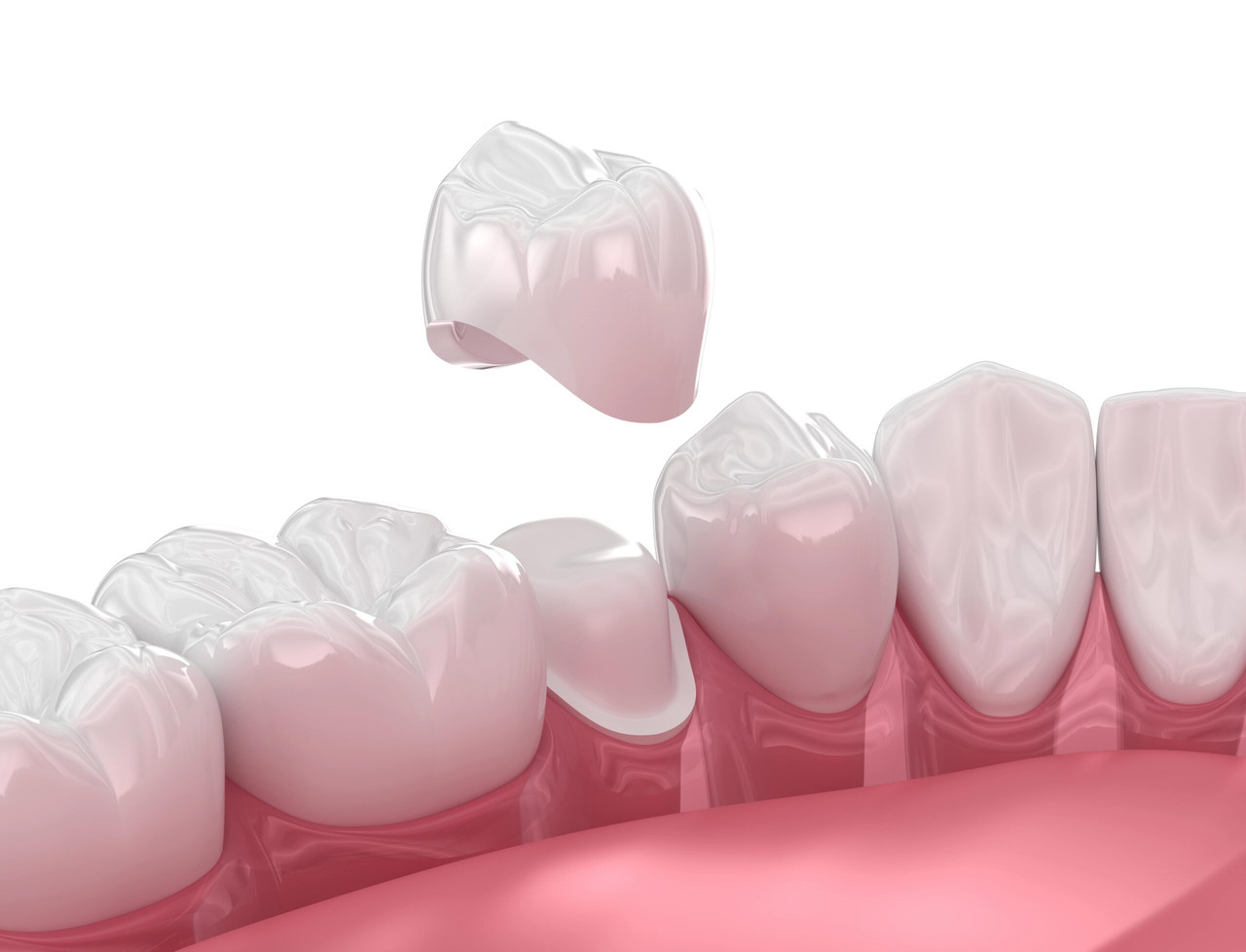
A dental crown is designed to restore the shape, function, and appearance of a tooth while providing a protective covering over the visible portion of the tooth. Before recommending a crown, a dentist needs to evaluate the tooth carefully to determine its condition, structure, function, and suitability for crown treatment.
For patients considering Dental Crown Dubai, the initial consultation is an important part of treatment planning. The dentist may examine the tooth visually, assess the surrounding gums, review the patient’s dental history, and use diagnostic imaging when appropriate. The bite and relationship between the tooth and neighbouring teeth may also be considered.
Every tooth presents different circumstances. A tooth that has experienced extensive structural loss may require a different approach from one that primarily needs an aesthetic improvement. By evaluating the tooth before treatment, the dentist can develop a plan that is appropriate for the patient’s individual dental needs.
Why a Tooth Evaluation Is Important Before a Crown
A dental crown is not selected based solely on the appearance of a tooth. The dentist first needs to understand why the tooth requires treatment and how much healthy tooth structure remains.
The evaluation may identify areas that require attention before the crown is planned. The dentist may also assess whether the tooth can support a crown and how the restoration will interact with the surrounding teeth.
This detailed process provides a foundation for deciding the appropriate type, shape, and design of the crown.
Reviewing the Patient’s Dental History
The evaluation may begin with a discussion of the patient’s dental history. The dentist may ask about previous fillings, dental procedures, tooth sensitivity, previous injuries, or other treatment involving the tooth.
Understanding the history of the tooth can provide useful information about its current condition. A tooth that has undergone several previous procedures may have different structural considerations from an otherwise intact tooth.
The dentist can use this information alongside the clinical examination to develop a more complete understanding of the tooth.
Examining the Tooth Structure
The dentist will generally examine the visible tooth structure carefully. This includes looking at the amount of remaining enamel and dentine and identifying areas where the tooth has lost structure.
The shape and size of the tooth are also considered because these characteristics influence the design of the crown.
The examination helps determine how the restoration can be positioned over the remaining tooth structure while maintaining an appropriate relationship with neighbouring teeth.
Assessing Existing Dental Restorations
Previous fillings or other restorations may be present in the tooth being considered for a crown. The dentist may assess their condition and how much natural tooth structure remains around them.
Large existing restorations can change the structural characteristics of a tooth. The dentist considers these factors when determining how the tooth should be prepared for crown treatment.
This assessment can also help determine whether additional dental treatment is appropriate before proceeding with the crown.
Evaluating the Gums Around the Tooth
The gums surrounding the tooth are also part of the evaluation. Healthy gum tissue provides an important foundation for a well-designed dental restoration.
The dentist may examine the gumline, surrounding tissue, and relationship between the tooth and gums. This helps establish where the crown margin may be positioned and how the restoration will interact with the surrounding tissues.
The appearance of the gumline can also be particularly important when the crown is visible when smiling.
Examining the Bite
The way the upper and lower teeth meet is an important consideration when planning a crown. The dentist may evaluate the patient’s bite to understand how the tooth interacts with opposing and neighbouring teeth.
Bite assessment helps determine the appropriate shape and height of the crown. The restoration needs to fit naturally within the patient’s existing bite.
The dentist may also consider whether the tooth experiences significant contact during chewing and how its position affects the surrounding teeth.
Checking the Position of the Tooth
The position of the tooth within the dental arch can influence crown design. The dentist may examine its alignment, angle, spacing, and relationship with neighbouring teeth.
A tooth that is rotated, tilted, or positioned differently from surrounding teeth may require additional consideration during crown planning.
The objective is to create a restoration that fits appropriately within the existing dental arrangement.
Evaluating Tooth Colour
For visible teeth, colour is an important aesthetic consideration. The dentist may assess the natural shade of the tooth and compare it with the surrounding teeth.
The colour of the crown can be selected to complement neighbouring teeth. The goal is to ensure that the restoration integrates naturally with the patient’s existing smile.
Colour selection may be discussed alongside the material and design of the crown.
Considering Tooth Shape and Size
The natural shape and size of the tooth provide important references when designing a crown. The dentist may evaluate the width, height, contours, and proportions of the tooth.
Neighbouring teeth can also provide useful information about the desired shape. The crown can be designed to maintain a harmonious relationship with the surrounding teeth.
This is particularly important for front teeth, where small differences in shape can be visible when speaking or smiling.
Assessing the Tooth From Different Angles
A tooth may look different from the front, side, and biting surfaces. The dentist may therefore examine it from several angles.
The assessment can include the visible front surface, sides, back, and chewing surface where applicable.
Looking at the tooth from multiple perspectives provides a more comprehensive understanding of its structure and relationship with neighbouring teeth.
Using Dental X-Rays and Imaging
Diagnostic imaging may be used when the dentist needs additional information about the tooth and surrounding structures.
An X-ray can provide information that cannot be seen during a visual examination, including the roots and supporting structures.
The type of imaging required depends on the individual tooth and the clinical situation. The dentist can explain why a particular image is recommended and how it contributes to treatment planning.
Assessing the Tooth’s Relationship With Neighbouring Teeth
A crown does not function independently. It sits within a group of neighbouring teeth that influence its shape, position, and contact points.
The dentist may evaluate the spaces between the tooth and adjacent teeth to determine how the crown should be designed.
Proper contact between neighbouring teeth can help the restoration fit naturally within the dental arch and maintain an appropriate relationship with the surrounding teeth.
Evaluating the Opposing Tooth
The tooth directly opposite the restoration is also relevant to crown planning. The dentist may examine how the upper and lower teeth meet when the patient bites.
This information helps determine the appropriate height and shape of the crown. The restoration needs to integrate with the existing bite rather than interfere with the normal relationship between the teeth.
Considering the Tooth’s Function
The role of the tooth is another important consideration. Front teeth and back teeth perform different functions, and their crown designs may therefore vary.
Front teeth are involved in biting and contribute significantly to the appearance of the smile. Back teeth are primarily involved in chewing and may require a different shape and design.
The dentist considers the tooth’s position and function when planning the restoration.
Discussing Crown Material
The dentist may discuss different crown materials depending on the location of the tooth, aesthetic requirements, functional considerations, and individual preferences.
Different materials have different visual characteristics and physical properties. The appropriate choice depends on the patient’s specific dental circumstances.
The material discussion is generally part of the wider treatment-planning process rather than an isolated decision.
Creating a Digital or Physical Impression
To design a well-fitting crown, the dentist needs accurate information about the tooth and surrounding dental structures. Depending on the clinic and treatment method, this may involve a traditional dental impression or digital scanning.
Digital scanning can create a detailed representation of the teeth and surrounding structures. This information can be used by the dental laboratory or digital design system to plan the restoration.
The dentist can explain which impression or scanning method will be used during the consultation.
Evaluating the Smile as a Whole
For visible teeth, crown planning may extend beyond the individual tooth. The dentist may consider the patient’s overall smile, including neighbouring teeth, tooth alignment, colour, and proportions.
The objective is to ensure that the crown fits naturally within the broader appearance of the smile.
This whole-smile perspective can be particularly useful when a crown is being planned for a front tooth.
Discussing the Patient’s Expectations
Patient expectations are an important part of the evaluation. Patients may want to restore a damaged tooth, improve its appearance, or achieve a more harmonious smile.
The dentist can discuss these goals and explain how they relate to the tooth’s existing condition.
Patients should feel comfortable explaining what they would like to change and asking questions about the proposed crown, material, appearance, and treatment process.
Understanding Dental Crown Cost in Dubai
Patients researching Dental Crown Cost in Dubai may find that the price varies depending on several factors. The type of crown material, complexity of the tooth, laboratory requirements, diagnostic procedures, and other aspects of treatment can influence the overall cost.
The condition of the tooth may also determine how much preparation is required before the crown is placed.
A personalised consultation provides an opportunity to understand the recommended treatment and obtain information about the expected cost at Cornerstone.
What Happens After the Evaluation?
Once the dentist has completed the examination and gathered the necessary information, a treatment plan can be developed.
The plan may include the recommended crown type, material, tooth preparation, shade selection, impression or scanning process, and fitting process.
The dentist can explain each stage and answer questions before treatment begins.
This gives the patient a clear understanding of what is being planned and why the selected crown is appropriate for the tooth.
Preparing for a Dental Crown Consultation
Patients can prepare by providing information about their dental history and previous treatment involving the tooth. It can also be useful to mention any previous dental injuries or restorations.
Patients should consider what they would like to improve and prepare questions about crown materials, appearance, treatment stages, and Dental Crown Cost in Dubai.
A clear conversation helps the dentist understand the patient’s priorities and allows the patient to make informed decisions about their treatment.
Conclusion
Evaluating a tooth before Dental Crown Dubai involves much more than examining its visible appearance. The dentist may assess the remaining tooth structure, previous restorations, gums, bite, tooth position, colour, shape, neighbouring teeth, opposing tooth, and overall smile.
Diagnostic imaging and digital or traditional impressions may also be used to gather detailed information for treatment planning. The patient’s functional and aesthetic goals are considered alongside the clinical findings.
For patients considering treatment at Cornerstone, a thorough dental evaluation can provide a clear foundation for designing an appropriate crown. Discussing Dental Crown Cost in Dubai during the consultation can also help patients understand the factors that contribute to their individual treatment plan.
FAQs
How is a tooth evaluated before crown treatment?
The dentist may examine the tooth structure, existing restorations, gums, bite, position, colour, shape, neighbouring teeth, and surrounding structures. Imaging may also be used when appropriate.
Why does a tooth need to be evaluated before receiving a crown?
The evaluation helps the dentist understand the condition of the tooth and determine how the crown should be designed, prepared, and fitted.
Does the dentist check the gums before crown treatment?
Yes. The gums surrounding the tooth may be assessed because their condition and relationship with the tooth are relevant to crown planning.
Is the patient’s bite checked before a dental crown?
Yes. The dentist may examine how the upper and lower teeth meet to determine the appropriate height and shape of the crown.
Are X-rays required before a dental crown?
The need for X-rays depends on the individual tooth and clinical circumstances. Diagnostic imaging may be recommended when the dentist needs additional information about the tooth or surrounding structures.
Does an existing filling affect crown planning?
An existing filling may be considered during the assessment because it can affect the amount and condition of remaining natural tooth structure.
Does tooth colour matter when selecting a crown?
Yes. For visible teeth, the dentist may assess the natural shade and compare it with neighbouring teeth when selecting the crown colour.
How is crown shape determined?
The crown shape is based on the natural tooth, neighbouring teeth, the patient’s bite, tooth position, function, and aesthetic considerations.
Are neighbouring teeth examined before placing a crown?
Yes. The dentist may assess adjacent teeth and contact points to help ensure that the crown fits appropriately within the dental arch.
Is the opposing tooth considered during crown planning?
Yes. The opposing tooth is relevant because the crown needs to fit naturally within the patient’s existing bite.
Does the location of the tooth affect crown design?
Yes. Front and back teeth have different functions and aesthetic considerations, so crown design can vary according to the tooth’s location.
What crown materials can be discussed during consultation?
Depending on the tooth and treatment requirements, the dentist may discuss different crown materials and explain their aesthetic and functional characteristics.
Is digital scanning used for dental crowns?
Many dental practices use digital scanning to create detailed records of the teeth. Traditional impressions may also be used depending on the clinic and treatment method.
How is Dental Crown Cost in Dubai determined?
Dental Crown Cost in Dubai can vary according to the crown material, tooth condition, treatment complexity, laboratory requirements, and other services included in the treatment plan.
What should I discuss with my dentist before getting a crown?
You can discuss the condition of the tooth, crown material, colour, shape, bite, treatment stages, expected appearance, and Dental Crown Cost in Dubai.
How should I prepare for a dental crown consultation?
Provide information about previous dental treatment, restorations, injuries, and relevant dental history. You can also prepare questions about the crown design, material, treatment process, and cost.
Why is an individual tooth assessment important?
Every tooth has different structural, functional, and aesthetic characteristics. An individual assessment allows the dentist to design the crown according to the patient’s specific dental needs.