
What questions should ask before starting Rosacea Treatment?
Starting rosacea treatment is an important step toward managing facial redness, flushing, irritation, and inflammatory bumps. Before choosing a treatment, it is helpful to discuss your symptoms, skin sensitivity, medical history, and expectations with a qualified dermatologist. If you are considering علاج الوردية في دبي, asking the right questions can help you understand your options, potential risks, and the care needed to support healthier-looking skin.
Is My Skin Condition Definitely Rosacea?
One of the first questions to ask is whether your symptoms are consistent with rosacea. Facial redness, bumps, and irritation can also occur with acne, eczema, contact dermatitis, and other skin conditions.
A dermatologist can examine your skin, review your medical history, and determine whether further assessment is necessary. An accurate diagnosis helps prevent unsuitable treatments and allows the specialist to recommend an appropriate management plan.
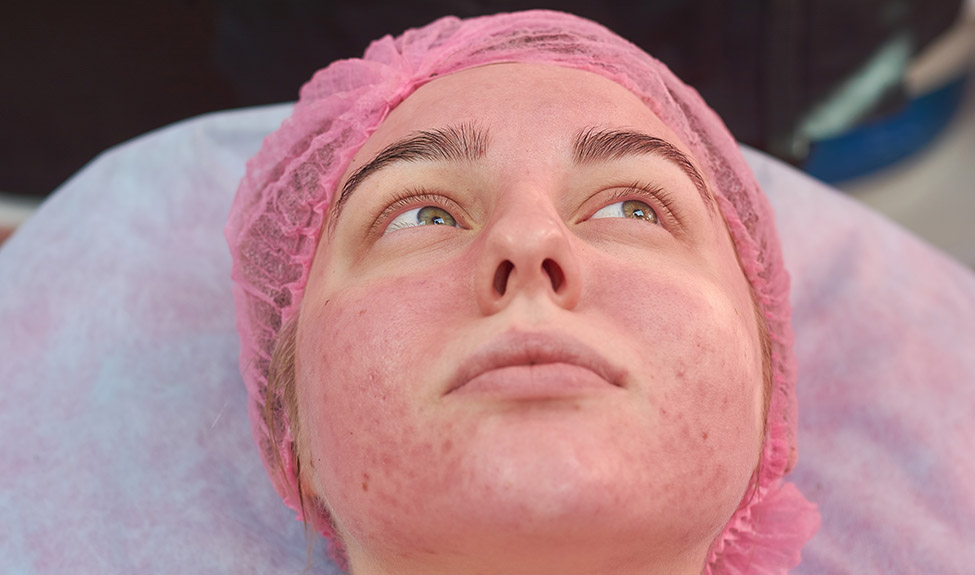
Explain when your symptoms began, whether redness is constant or comes and goes, and whether particular products or environmental conditions make it worse.
Which Rosacea Treatment Is Best for My Symptoms?
Rosacea affects people differently, so there is no single treatment that works for everyone. Ask your dermatologist which options are appropriate for your particular symptoms and why.
Depending on the assessment, possible options include:
- Prescription creams or gels: These may help control inflammatory bumps or selected forms of persistent redness.
- Oral medication: A dermatologist may recommend medication for certain persistent or more severe inflammatory symptoms.
- Laser or light-based procedures: Selected treatments may reduce visible blood vessels and some forms of facial redness.
- Gentle skincare: Appropriate cleansing, moisturizing, and sun protection can help limit irritation and support other treatments.
Ask whether you need one treatment or a combination of approaches. The most suitable plan depends on your symptoms, medical history, skin characteristics, and treatment goals.
What Results Can I Realistically Expect?
Understanding the expected results helps you make an informed decision. Ask which symptoms the treatment is designed to improve, how much improvement may be realistic, and whether some redness or flushing could remain.
Results vary according to the treatment and the severity of symptoms. Medication may help control inflammation, while selected laser procedures may reduce visible blood vessels. No treatment guarantees identical results for every person.
It is also important to understand that rosacea is a chronic condition. Treatment can help manage symptoms, but flare-ups may return and ongoing care may be necessary.
How Long Will It Take to See Improvement?
Ask when you might begin noticing changes and how long you should continue treatment before its effectiveness is reviewed.
Some treatments may begin to improve symptoms within a few weeks, while others require a longer period. Laser and light-based procedures may involve multiple sessions, depending on the symptoms and the response.
Your dermatologist should explain the expected timeline and arrange follow-up when appropriate. Do not increase medication doses, change application frequency, or stop a prescribed treatment without professional guidance.
What Are the Possible Side Effects and Risks?
Every treatment has potential limitations and side effects. Before starting, ask which reactions are common, which symptoms require medical attention, and how the risks apply to your skin.
Prescription products may cause dryness, burning, stinging, or irritation. Oral medications can have their own side effects and may interact with other medicines. Laser or light-based procedures can cause temporary redness, swelling, discomfort, and, in some cases, burns or pigmentation changes.
Tell your dermatologist about allergies, current medications, previous reactions, pregnancy or plans for pregnancy where relevant, and any other medical conditions. This information can affect which treatments are suitable.
Is the Treatment Suitable for My Skin Type?
Skin sensitivity and skin tone can influence treatment selection, particularly when considering procedures.
Ask whether the proposed treatment is suitable for your skin characteristics and whether adjustments are needed to reduce irritation or pigmentation risks. If laser therapy is recommended, check that the professional has relevant training and experience treating your skin type.
You should also discuss your current skincare routine. Fragranced products, harsh cleansers, abrasive scrubs, and certain exfoliating ingredients may worsen symptoms in some people.
What Preparation Is Required Before Treatment?
Preparation depends on the treatment selected. Ask whether you need to adjust your skincare routine, avoid particular products, or follow specific instructions before an appointment.
Before a laser or light-based procedure, your provider may advise you about sun exposure and certain skincare ingredients. Follow the instructions given by your treating professional rather than stopping prescribed medication independently.
It is useful to bring a list of your medications and skincare products to the consultation. If your symptoms fluctuate, photographs of previous flare-ups may also help the dermatologist assess your concerns.
How Should I Care for My Skin After Treatment?
Aftercare can help reduce irritation and support recovery. Ask which products you should use, whether you need to avoid particular activities, and when you can return to your usual skincare routine.
Depending on your treatment, recommendations may include:
- Using a gentle cleanser and fragrance-free moisturizer
- Applying broad-spectrum sunscreen with SPF 30 or higher
- Avoiding harsh exfoliation while the skin is recovering
- Following specific instructions about heat, exercise, or sun exposure after a procedure
- Contacting your provider if symptoms worsen or unexpected reactions occur
The exact instructions depend on whether you receive medication, a laser procedure, or another treatment.
Will I Need Maintenance Treatments?
Because rosacea can be ongoing, ask whether your plan will require continued medication, repeat procedures, or periodic reviews.
Some people manage their symptoms with a consistent skincare routine and trigger awareness, while others need adjustments to their treatment over time. Ask how to recognize an emerging flare-up and when to arrange a follow-up appointment.
Keeping a simple record of symptoms and possible triggers, such as sunlight, heat, stress, or irritating products, may help you and your dermatologist identify useful changes.
What Will the Total Treatment Cost Include?
Before beginning treatment, ask for a clear explanation of the expected costs. Find out whether the quoted amount covers consultation, medication, procedures, follow-up appointments, and any recommended maintenance sessions.
If laser or light therapy is proposed, ask how many sessions may be needed and whether the number will depend on your response. Understanding the full plan can help you compare options without choosing a treatment based on price alone.
Frequently Asked Questions:
Should I Ask for a Rosacea Test Before Treatment?
Rosacea is usually diagnosed through a medical history and skin examination. Additional tests may be recommended if the symptoms are unusual or another condition needs to be ruled out.
Can I Use Home Remedies Instead of Professional Treatment?
Gentle skincare and avoiding personal triggers may help manage symptoms, but home remedies are not a substitute for professional assessment when symptoms persist or worsen. Some natural ingredients can irritate sensitive skin.
Should I Stop My Current Skincare Products Before the Consultation?
Do not automatically stop prescribed medication. Bring your product list and ask your dermatologist which products to continue, change, or temporarily avoid.
What If My Rosacea Gets Worse After Treatment?
Contact your treating professional for advice, particularly if irritation is persistent or worsening. Seek prompt medical attention for severe swelling, blistering, or other significant reactions. Eye pain or changes in vision require urgent assessment.
Conclusion:
Asking questions before starting rosacea treatment helps you understand the diagnosis, compare suitable options, and prepare for possible side effects and aftercare. Discuss expected results, treatment duration, skin suitability, and maintenance with a qualified dermatologist before making a decision. A personalized plan and appropriate follow-up can help you manage rosacea symptoms more effectively over time.