
Skin Tag Removal in UK: How Are Skin Tags Assessed Before Choosing a Removal Method?
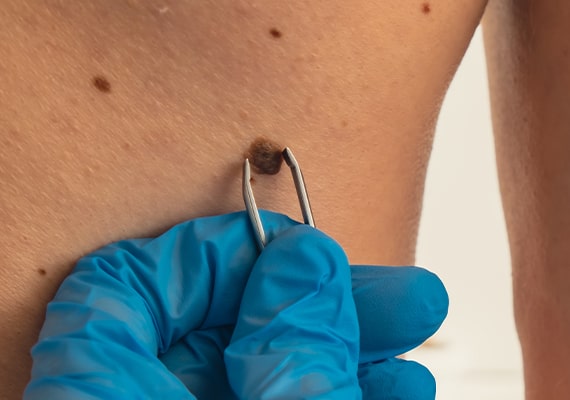
Skin tags are small, soft growths that commonly develop on areas where the skin rubs against itself or clothing. They often appear around the neck, underarms, eyelids, groin, and other skin folds. Although skin tags are generally harmless, they can sometimes cause discomfort, catch on jewellery, or become a cosmetic concern. Before removing a skin tag, it is important to have it assessed by a qualified healthcare professional to establish what the growth is and determine the most appropriate approach.
At Well Life Clinic, understanding the characteristics of a skin growth is an important part of planning suitable care. The assessment process considers the appearance, size, location, and development of the growth, along with the individual’s medical history and preferences. These details help guide decisions about whether removal is appropriate and which method may be suitable.
For anyone considering Skin Tag Removal In UK, knowing what happens during an assessment can make the process easier to understand. This guide explains how healthcare professionals evaluate skin tags, which factors influence treatment selection, and what patients can expect when discussing their options.
What Is a Skin Tag and Why Does It Need Assessment?
A skin tag is a small, non-cancerous growth that usually consists of soft skin tissue attached to the surrounding skin by a narrow stalk or a broader base. Skin tags can be flesh-coloured, slightly darker than the surrounding skin, or brown in appearance. They may develop gradually and vary considerably in size.
Most skin tags do not require treatment for medical reasons. However, people may seek removal when a growth repeatedly catches on clothing, becomes irritated through friction, or affects their confidence about their appearance.
An assessment is important because not every small skin growth is a skin tag. Other conditions, including moles, warts, seborrhoeic keratoses, and certain other skin lesions, can sometimes look similar. A healthcare professional examines the growth to determine whether it has the typical characteristics of a skin tag or requires further investigation.
This initial evaluation provides the foundation for an appropriate treatment plan rather than relying on appearance alone or attempting removal at home.
How Are Skin Tags Examined During a Consultation?
The assessment usually begins with a discussion about the growth and the reason for seeking treatment. The healthcare professional may then examine the affected area to understand its physical characteristics.
Examining the Appearance of the Growth
The appearance of a skin tag provides useful information during an assessment. The clinician considers its colour, shape, surface, texture, and attachment to the skin.
A typical skin tag is soft, often slightly raised, and may hang from the skin on a narrow stalk. Its surface is usually smooth, although its appearance can vary depending on its size and location.
The healthcare professional also considers whether the growth looks consistent with a skin tag or whether additional assessment may be necessary. Changes in colour, irregular borders, unexplained bleeding, ulceration, or rapid growth may require further investigation before any removal method is selected.
The purpose of this examination is to establish an appropriate diagnosis and ensure that treatment decisions are based on the nature of the growth.
Assessing the Size and Shape
The size of a skin tag can influence how it is removed. Small growths with narrow attachments may be suitable for a straightforward removal technique, Stitches And Wound Care In UK while larger growths or those with a broader base may need a different approach.
The clinician evaluates the dimensions of the growth and how it projects from the skin. Its shape and attachment are also considered because these features can affect access to the treatment area and the practical aspects of removal.
Rather than choosing a method based on size alone, the healthcare professional considers size alongside the location, appearance, and overall assessment findings.
Why Does the Location of a Skin Tag Matter?
The location of a skin tag is one of the key factors considered when selecting an appropriate removal method. Different areas of the body have different skin characteristics and practical treatment requirements.
Skin Tags on the Neck and Underarms
Skin tags frequently develop around the neck and underarms, where skin-to-skin contact and clothing friction are common. These areas may contain multiple growths, so the clinician may assess each one individually before discussing treatment.
The surrounding skin is also examined to identify irritation and determine whether the proposed procedure can be carried out comfortably. If several skin tags are present, the clinician can discuss whether treating them during the same appointment is appropriate.
Skin Tags Near the Eyes
Skin tags close to the eyelids require particular care because of the sensitivity of the area and its proximity to the eye. Their exact position, size, and attachment need to be evaluated before a removal method is considered.
Depending on the location, a clinician may recommend assessment by an appropriately qualified professional with relevant experience in treating lesions around the eyes. The method used for a skin tag on the neck may not be suitable for one close to the eyelid.
Skin Tags in Skin Folds and Sensitive Areas
Growths in the groin or other skin folds may experience repeated friction and moisture. During assessment, the clinician considers accessibility, the condition of the surrounding skin, and the individual’s comfort.
The location may influence the equipment, technique, and aftercare advice required. A personalised approach helps ensure that the selected method is appropriate for the specific area being treated.
How Does Medical History Influence Skin Tag Assessment?
A consultation generally includes questions about the patient’s medical history and any factors that may affect treatment planning. This information helps the healthcare professional understand the individual’s circumstances and decide whether additional precautions or investigations are needed.
Relevant details may include existing medical conditions, previous skin procedures, current medication, known allergies, and any history of unusual healing.
The clinician may also ask whether the growth has changed recently, become painful, or developed other unusual features. Previous treatments and the response to those treatments can also be useful when discussing suitable options.
Patients should provide accurate information about their health and medication so that the clinician can make an informed decision. Medical history is not considered in isolation; it is evaluated alongside the physical examination and the characteristics of the skin growth.
Which Factors Determine the Most Suitable Skin Tag Removal Method?
Once the assessment is complete, the healthcare professional can discuss the available options. The choice depends on the diagnosis, the characteristics of the growth, its location, and the individual’s needs.
Snip Excision
Snip excision involves removing a suitable skin tag using an appropriate sterile cutting instrument. It may be considered for certain growths with a narrow attachment, depending on their size and position.
The clinician first establishes whether the lesion is suitable for this approach and explains what the procedure involves. The need for local anaesthetic depends on the individual case and the clinical judgement of the treating professional.
Cryotherapy
Cryotherapy uses controlled freezing to treat selected skin lesions. Although it is used for various benign skin growths, it is not appropriate for every skin tag or every location.
The healthcare professional considers the appearance of the growth, its position, and whether freezing is a suitable option for the specific diagnosis. This helps prevent an unsuitable treatment choice when another method may be more appropriate.
Cautery or Other Clinical Techniques
Electrocautery and other clinical techniques may be considered in selected cases, depending on the clinician’s expertise and the characteristics of the growth.
The appropriate method is determined after examination rather than assuming that one technique works best for every patient. Availability can also vary between clinics, Lump Removal In UK so patients should ask which options are offered and why a particular approach is recommended.
If the growth cannot be confidently identified as a skin tag, removal may be postponed until further assessment has taken place.
When Might a Skin Growth Need Further Investigation?
Not every growth that resembles a skin tag should be removed immediately. Some skin conditions can have similar appearances, and an unusual lesion may need further assessment before treatment.
A healthcare professional may recommend additional evaluation if the growth has changed noticeably, has an irregular appearance, bleeds without a clear explanation, develops an open area, or does not resemble a typical skin tag.
In such circumstances, the priority is to establish the diagnosis. Depending on the findings, this may involve a specialist referral or consideration of a biopsy or histological examination.
A patient should also seek medical advice about a growth that becomes persistently painful or changes rapidly. These features do not automatically indicate a serious condition, but they should not be ignored.
Correct identification is an essential part of choosing the right treatment and determining whether removal is appropriate in the first place.
What Happens After the Assessment?
After examining the growth and reviewing the relevant medical information, the clinician explains the recommended approach and what the patient can expect.
This discussion may cover the proposed removal method, the steps involved, whether local anaesthetic is likely to be needed, and the expected healing process. Patients can also ask about the availability of treatment, appointment arrangements, and any associated costs.
The clinician may explain how to care for the treated area and when to seek further advice. Instructions can differ according to the technique used and the location of the growth.
If the lesion requires further investigation or is not suitable for removal in the clinic, the healthcare professional can explain the next steps. Patients should have an opportunity to ask questions and understand the reasoning behind the recommendation before proceeding.
Why Choose a Professional Assessment at Well Life Clinic?
Professional assessment helps establish whether a growth is consistent with a skin tag and whether removal is appropriate. It also provides an opportunity to discuss treatment choices based on the patient’s needs rather than selecting a method without considering the individual circumstances.
At Well Life Clinic, patients exploring skin surgery services can discuss their concerns and learn about the assessment and treatment process. The consultation provides an opportunity to explain the location and appearance of the growth, ask questions, and understand the options available.
Patients who also have other skin concerns can discuss whether these require separate assessment. For example, a lump that does not resemble a typical skin tag may need a different diagnostic pathway, even if it appears small or has been present for some time.
Where a growth is removed, clear aftercare instructions can help patients understand how to look after the treated area and when to contact the clinic for further advice.
The most suitable plan is one based on an accurate assessment, clear communication, and the characteristics of the individual skin growth.
Conclusion
Assessing a skin tag before removal is an important step in selecting an appropriate treatment method. Healthcare professionals consider the appearance, size, attachment, and location of the growth, alongside the patient’s medical history and treatment preferences. These details help determine whether the lesion is suitable for removal and which clinical approach may be most appropriate.
For people considering Skin Tag Removal In UK, a professional consultation offers an opportunity to establish what the growth is, understand the available treatment options, and receive advice tailored to their circumstances. It also helps identify growths that may need further investigation before treatment.
At Well Life Clinic, patients can explore their skin concerns through the clinic’s skin surgery service and discuss the next steps with an appropriate healthcare professional. An informed assessment provides a sound starting point for making decisions about skin tag removal.
Frequently Asked Questions
1. Why should a skin tag be assessed before removal?
An assessment helps confirm whether the growth is likely to be a skin tag and determines whether removal is appropriate. The clinician considers its appearance, size, location, and medical history before recommending a suitable approach.
2. How does a healthcare professional identify a skin tag?
The clinician examines the growth’s colour, shape, texture, attachment, and surrounding skin. If it does not have the typical features of a skin tag, further assessment may be recommended.
3. Does the size of a skin tag affect the removal method?
Yes. Size and the width of the attachment can influence the technique selected. However, the location, diagnosis, and other individual factors are also important when choosing an appropriate method.
4. Can skin tags near the eyes be removed?
Some skin tags near the eyes may be suitable for removal, but their position requires particular care. Assessment by an appropriately qualified professional helps determine the safest and most suitable treatment setting.
5. Which methods are used for skin tag removal in the UK?
Depending on the clinical assessment, options may include snip excision, cryotherapy in selected cases, or other appropriate clinical techniques. The method depends on the nature and location of the growth and the clinician’s judgement.
6. What happens if a growth is not a typical skin tag?
The healthcare professional may recommend further investigation before proceeding. This can help distinguish a skin tag from another type of skin lesion and determine the appropriate next steps.
7. Should I remove a skin tag at home?
It is preferable to seek professional advice rather than cutting, tying off, or applying unverified removal products to a skin growth. Home removal may cause bleeding, infection, or damage to surrounding skin, and it may delay the identification of a lesion that needs medical assessment.
8. Can several skin tags be assessed during one appointment?
Yes. A clinician may assess several growths during the same consultation. Each should be evaluated individually because their size, appearance, and location may differ, and not every growth will necessarily be suitable for the same treatment.
9. Is every skin tag suitable for removal?
No. Some skin tags do not require treatment, while other growths may need further investigation before removal is considered. The decision depends on the assessment findings and the patient’s preferences.
10. How can I prepare for a skin tag removal consultation?
Be ready to explain how long the growth has been present, whether it has changed, and whether it causes discomfort. Provide relevant information about your medical history, medications, allergies, and previous skin treatments. You can also prepare questions about the recommended method, aftercare, and costs.