
Acne Treatment in Dubai: How Long Does It Take to See Results?
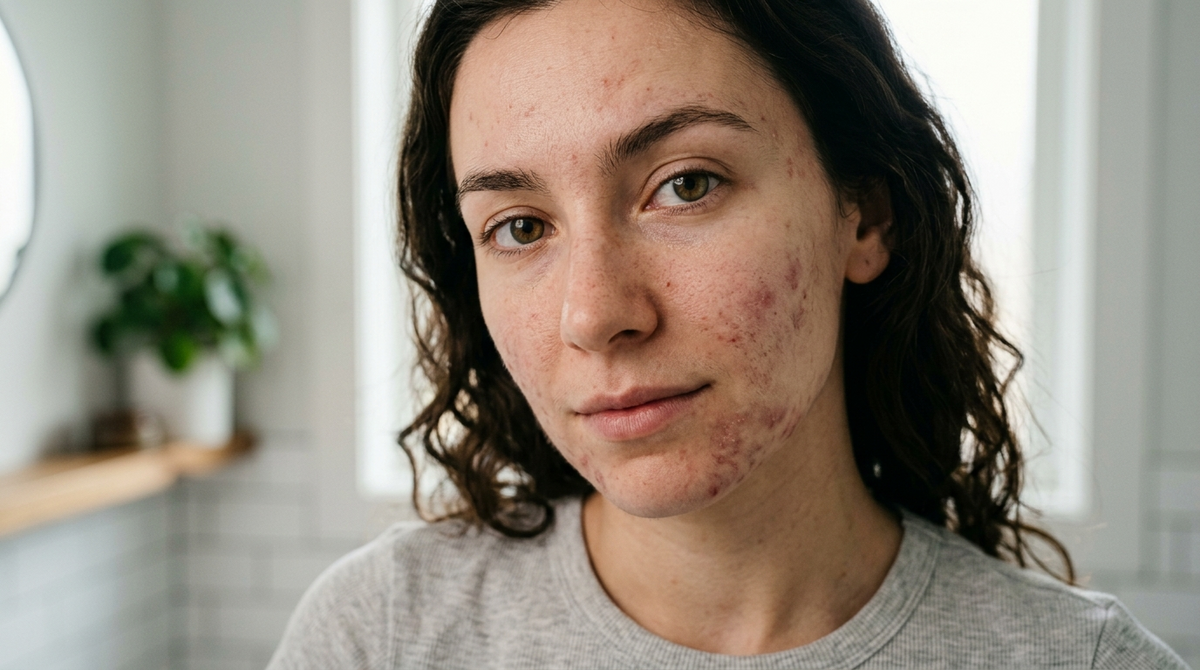
Acne is one of the most common skin concerns affecting teenagers and adults. It can cause pimples, blackheads, whiteheads, redness, and painful breakouts. For some people, acne appears occasionally, while others experience repeated breakouts that affect their skin’s appearance and confidence. The good news is that the right skincare routine and professional treatment can help manage acne and improve skin texture over time.
At Altaderma Clinic, understanding the cause of acne is an important step toward choosing a suitable treatment plan. Many people considering Acne Treatment in Dubai want to know how long it takes to see visible results. The answer depends on the type of acne, its severity, the treatment selected, and how consistently the recommended skincare routine is followed.
Some people notice an improvement within a few weeks, while others may need several months to achieve clearer skin. Understanding the treatment timeline can help you set realistic expectations and maintain a consistent approach to skincare.
Understanding Acne Treatment in Dubai at Altaderma Clinic
Acne develops when pores become blocked with excess oil, dead skin cells, and other impurities. Bacteria and inflammation can also contribute to breakouts. Hormonal changes, stress, certain skincare products, and genetic factors may influence how frequently acne appears.
At Altaderma Clinic, an individual assessment can help identify the type of acne and the factors contributing to it. This information helps determine which treatment options may be appropriate for the skin.
Acne Treatment in Dubai may involve professional facials, chemical peels, topical skincare products, prescription treatments when appropriate, or other dermatologist-recommended procedures. Not every person needs the same approach. Mild acne may respond to a consistent skincare routine, while persistent or severe acne may require a more structured treatment plan.
The primary goal is to reduce active breakouts, control excess oil, calm inflammation, and help prevent future blemishes. Treatment may also focus on improving the appearance of acne marks and uneven skin texture once active acne is under control.
How Long Does Acne Treatment in Dubai Take to Show Results?
The time required to see results varies from person to person. Some treatments help improve the appearance of the skin relatively quickly, but acne usually requires ongoing care to achieve lasting improvement.
First Two Weeks: Early Changes in the Skin
During the first two weeks, some people may notice that their skin feels less oily or that redness begins to settle. The results depend on the products and procedures used.
However, significant improvement in acne is not always visible during this early stage. Many acne treatments work gradually by reducing inflammation, preventing clogged pores, or influencing the skin’s natural renewal process.
Some topical treatments can also cause temporary dryness, irritation, or an initial increase in breakouts. This does not happen to everyone, and worsening acne should not automatically be considered a normal part of treatment. If irritation is significant or breakouts become painful, seek advice from a qualified professional.
Four to Six Weeks: Noticeable Improvement
After four to six weeks, some people may begin to notice fewer new pimples and less inflammation. Existing blemishes may also start to heal more effectively.
At this stage, consistency is important. Stopping treatment too early or frequently changing skincare products can make it difficult to determine whether a particular approach is working.
During Acne Treatment in Dubai, follow-up assessments can help evaluate progress and identify whether the treatment plan needs adjustment. Improvements may be gradual rather than dramatic, so it is helpful to consider the overall pattern of breakouts instead of focusing on individual pimples.
Eight to Twelve Weeks: More Visible Results
Many standard acne treatments require approximately eight to twelve weeks before their effectiveness can be assessed properly. Some people experience clearer skin during this period, while others need additional time.
The results depend on acne severity, the type of treatment, hormonal influences, and adherence to the recommended routine. Deeper, painful acne may take longer to respond than mild blackheads or whiteheads.
At Altaderma Clinic, the treatment approach should be reviewed according to the skin’s response and the individual’s concerns. If improvement is limited after an appropriate treatment period, a qualified clinician may recommend a different approach or further assessment.
Factors That Affect Acne Treatment Results
Several factors can influence how quickly acne improves. Understanding them can help you follow a more realistic and effective skincare plan.
Type and Severity of Acne
Mild acne with occasional blackheads and whiteheads may improve more quickly than moderate or severe inflammatory acne. Deep nodules and cysts can take longer to settle and may require medical treatment.
Early assessment is particularly important when acne is painful, persistent, or leaving scars. Treating severe acne promptly may help reduce the risk of long-term skin changes.
Skin Type and Sensitivity
Oily skin may be more prone to clogged pores, while sensitive skin may react to strong ingredients or frequent exfoliation. Dryness and irritation can make it harder to maintain a skincare routine.
A suitable treatment plan should consider the skin’s condition and tolerance. Using too many active ingredients at once can increase irritation without necessarily improving results.
Hormonal Changes
Hormonal fluctuations can contribute to acne, particularly around the chin and jawline. Some people experience breakouts around menstruation, while others develop acne associated with conditions that affect hormone levels.
When hormonal factors are involved, surface treatments alone may not be enough. A healthcare professional can assess whether additional medical evaluation or treatment is appropriate.
Consistency With Treatment
Regular use of recommended products and attendance at follow-up appointments can influence treatment outcomes. Using products inconsistently or changing them too frequently may delay improvement.
Follow the instructions provided by your clinician and avoid increasing the amount or frequency of a product in an attempt to achieve faster results.
Which Acne Treatment Options May Help Improve Skin?
Different treatments address different causes of acne. The most suitable option depends on whether the main concern is clogged pores, inflammation, excess oil, or marks left by previous breakouts.
Professional Acne Facials
Professional acne facials may include gentle cleansing, selected exfoliation methods, and other skin-supporting steps. They can help improve skin cleanliness and the appearance of congestion in suitable candidates.
However, facials alone may not control persistent inflammatory or hormonal acne. They should be selected according to the skin’s condition, and aggressive extractions should be avoided when lesions are inflamed or painful.
Chemical Peels for Acne-Prone Skin
Certain chemical peels use ingredients such as salicylic acid or glycolic acid to exfoliate the skin and help manage clogged pores. Depending on the formulation and the individual’s skin, a peel may improve the appearance of mild acne and uneven texture.
Results are usually gradual, and more than one session may be recommended. Chemical peels can cause irritation or pigmentation changes, particularly when used incorrectly or on unsuitable skin. Professional assessment is important before treatment.
Topical Acne Treatments
Topical products may contain ingredients such as benzoyl peroxide, retinoids, or azelaic acid. These ingredients work in different ways to reduce acne-causing factors, unclog pores, and improve inflammation.
The choice depends on the type of acne, skin sensitivity, and other individual factors. Some treatments are available without a prescription, while others require medical guidance. Certain products, including topical retinoids, may not be suitable during pregnancy.
Medical Treatment for Persistent Acne
Moderate or severe acne may require prescription medication. Depending on the circumstances, a clinician may consider topical combinations, oral medication, or hormonal treatment when appropriate.
These treatments require proper assessment and monitoring. They should not be started or stopped without suitable medical guidance, especially when potential side effects or pregnancy considerations are involved.
How Long Does It Take to Improve Acne Marks and Scars?
Active acne and the marks it leaves behind are different concerns. Even after breakouts become less frequent, red, brown, or dark marks may remain on the skin.
Red and Brown Acne Marks
Post-acne marks can take several weeks to several months to fade. The timeline depends on skin tone, the depth of discoloration, sun exposure, and whether new breakouts continue to occur.
Daily sun protection can help prevent marks from becoming darker. Treatments targeting pigmentation may be considered after assessing the skin and controlling active acne.
Indented or Raised Acne Scars
True acne scars may not disappear with standard acne skincare products. Indented scars involve changes in the skin’s structure, while raised scars develop when excess scar tissue forms.
Procedures such as microneedling, selected laser treatments, or other scar-focused treatments may be considered for suitable individuals. These procedures have different recovery periods and risks, and results may require multiple sessions.
It is generally helpful to control active acne before starting many scar-focused procedures. A professional assessment can help determine which options are suitable.
How to Maintain Results After Acne Treatment in Dubai
Maintaining clear skin requires more than treating individual pimples. A simple, consistent routine can help reduce the likelihood of future breakouts.
Follow a Gentle Skincare Routine
Cleanse the skin gently, use a non-comedogenic moisturiser, and avoid harsh scrubs. Washing the face too frequently or using several exfoliating products at once can damage the skin barrier and increase irritation.
Choose products according to your skin type and follow the advice provided by your skincare professional.
Use Sunscreen Every Day
Sun exposure can worsen the appearance of post-acne discoloration. A broad-spectrum sunscreen with SPF 30 or higher can help protect the skin when used as directed.
Choose a formula that suits acne-prone skin and reapply according to the product instructions, particularly during outdoor activities.
Avoid Picking or Squeezing Pimples
Picking acne can increase inflammation and raise the risk of infection, dark marks, and permanent scars. Allow blemishes to heal naturally and seek professional advice if painful breakouts continue.
Attend Follow-Up Appointments
Follow-up appointments help assess whether acne is improving and whether the current treatment remains appropriate. Your clinician may adjust the plan if irritation develops or results are slower than expected.
At Altaderma Clinic, discussing your progress and concerns can help guide decisions about continuing treatment, changing products, or considering additional options.
Understanding Acne Treatment Cost in Dubai at Altaderma Clinic
The Acne Treatment cost in Dubai can vary according to the type of treatment, acne severity, number of sessions, and products or medications required.
For example, a basic professional facial may have a different price from a chemical peel or a treatment plan involving several procedures. Medical consultations, prescription products, and follow-up appointments may also affect the overall expense.
When discussing the Acne Treatment cost in Dubai with Altaderma Clinic, consider asking what is included in the recommended plan, how many sessions may be needed, and whether follow-up visits or skincare products are charged separately.
The most appropriate treatment is not necessarily the one with the highest price or the most procedures. The aim is to choose a suitable, safe approach based on your skin’s needs and the likely benefits.
Because individual requirements differ, an assessment is the best way to obtain a more relevant cost estimate. No specific result or timeline should be guaranteed, as acne responds differently in each person.
When Should You Seek Professional Acne Treatment?
Occasional pimples may improve with a consistent over-the-counter skincare routine. However, professional advice is recommended when acne continues to return, becomes painful, leaves scars, or does not improve after an appropriate period of treatment.
You should also seek advice if acne is affecting your confidence or daily life, or if skincare products cause persistent burning, swelling, or severe irritation.
Deep or painful acne deserves particular attention because early treatment can help reduce the risk of permanent scarring. A qualified clinician can assess the condition and discuss the available options.
Conclusion: Get a Realistic Acne Treatment Timeline With Altaderma Clinic
Acne improvement takes time, and the results depend on the type of acne, the treatment selected, and the consistency of your skincare routine. Some early changes may appear within a few weeks, while many standard treatments need eight to twelve weeks for a fair assessment. Acne marks and scars may require additional time and specialised care.
At Altaderma Clinic, an individual assessment can help you understand the available options and develop a skincare plan suited to your concerns. If you are considering Acne Treatment in Dubai, focus on consistent care, realistic expectations, and appropriate follow-up rather than trying to achieve overnight results.
Understanding the expected timeline and the Acne Treatment cost in Dubai can help you make informed decisions about your skincare journey. With suitable treatment and ongoing care, many people can achieve better acne control and healthier-looking skin over time.