
Is Laser Skin Resurfacing Treatment suitable for beginners?
Laser skin resurfacing treatment may be suitable for beginners who want to improve skin texture, reduce the appearance of fine lines, or address selected acne scars and sun damage. However, being new to cosmetic procedures does not automatically make someone a suitable candidate. The right approach depends on skin type, sensitivity, medical history, treatment goals, and the laser technology used. People exploring تجديد سطح البشرة بالليزر في دبي can benefit from understanding the available options, expected recovery, and safety considerations before deciding whether to begin treatment.
What Is Laser Skin Resurfacing Treatment?
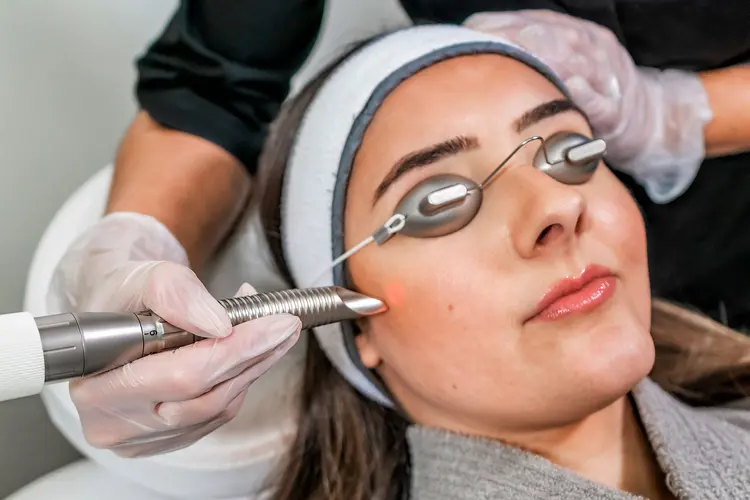
Laser skin resurfacing is a cosmetic procedure that uses controlled laser energy to improve selected skin concerns. Depending on the technology, the laser may remove thin layers of damaged skin or heat deeper tissues to stimulate collagen remodelling.
It may be used to improve the appearance of:
- Fine lines and wrinkles
- Certain acne scars
- Uneven skin texture
- Selected signs of sun damage
- Some pigmentation concerns
- Rough or dull-looking skin
The results and recovery requirements vary. Some treatments are relatively gentle, while others are more intensive and require a longer healing period.
Can Beginners Have Laser Skin Resurfacing?
Yes, beginners may be suitable candidates, provided a qualified professional assesses their skin and recommends an appropriate treatment. Previous experience with cosmetic procedures is not the main factor in determining suitability.
For someone considering laser resurfacing for the first time, the consultation should establish the skin concern, review medical history, identify possible contraindications, and explain the expected benefits and risks.
A beginner may not need an intensive treatment to achieve their goals. In some cases, a less aggressive laser approach or a non-laser skincare option may be more appropriate.
Which Laser Resurfacing Options May Suit Beginners?
Different laser technologies have different levels of intensity and recovery requirements.
Non-Ablative Laser Resurfacing:
Non-ablative lasers heat targeted skin tissues without removing the entire outer skin layer. They may stimulate collagen remodelling and can involve less downtime than ablative procedures.
This approach may be considered by beginners seeking gradual improvement in selected concerns. Several sessions may be needed, and temporary redness or swelling can still occur.
Fractional Laser Resurfacing:
Fractional lasers treat microscopic columns of skin while leaving surrounding tissue untreated. They may be ablative or non-ablative, so the level of intensity and recovery varies.
A fractional treatment may be suitable for some first-time patients, but the practitioner must choose the device and settings according to the individual’s skin condition and goals.
Ablative Laser Resurfacing:
Ablative lasers remove thin layers of skin and may be used for certain more pronounced wrinkles, scars, and surface irregularities.
These treatments generally involve more downtime and a greater risk of complications than less intensive approaches. They are not automatically the best starting point for beginners and require careful assessment and aftercare.
Important: There is no single laser that is safest or best for every beginner. The appropriate choice depends on the skin concern, skin tone, medical history, and expected recovery.
What Should Beginners Expect During the First Session?
The first appointment generally begins with a consultation and skin assessment. The practitioner reviews current skincare products, medications, previous cosmetic treatments, and relevant medical history.
Before treatment, the skin is cleansed and protective eyewear is provided. Depending on the laser and its intensity, a topical anaesthetic or another pain-management method may be used.
During the procedure, the laser is directed over the selected area. Some people experience warmth, tingling, or brief snapping sensations.
Afterward, the skin may look red, feel warm, or become mildly swollen. The practitioner should provide clear instructions about cleansing, moisturizing, sun protection, and temporarily avoiding irritating products.
How Can Beginners Prepare for Laser Skin Resurfacing?
Preparation can help reduce avoidable irritation and support a safer treatment experience.
- Arrange a professional assessment: Discuss your skin concerns, medical history, and expectations.
- Share your skincare routine: Tell the practitioner about retinoids, exfoliating acids, acne products, and other active ingredients.
- Mention previous skin reactions: Disclose allergies, cold sore history, pigmentation changes, and previous complications from cosmetic procedures.
- Follow preparation instructions: Ask which products or activities should be avoided before treatment.
- Plan for recovery: Consider your schedule, work commitments, and any downtime that may be required.
Do not stop prescribed medication without consulting the healthcare professional who manages it.
Is Laser Skin Resurfacing Safe for First-Time Patients?
Laser resurfacing can be appropriate for selected first-time patients when the treatment is carefully chosen and performed by a qualified professional. However, no laser procedure is completely risk-free.
Possible side effects include redness, swelling, discomfort, dryness, and peeling. Potential complications include infection, scarring, prolonged redness, and pigmentation changes.
People prone to hyperpigmentation may require particular care because some laser treatments can trigger dark marks. Those with active skin infections, open wounds, or significant irritation may need to postpone treatment.
A qualified dermatologist or appropriately trained medical professional can explain whether the expected benefits outweigh the risks for the individual.
How Long Is the Recovery Period?
Recovery depends on the laser technology and treatment intensity. Some non-ablative procedures involve relatively little downtime, while ablative resurfacing can require a longer healing period with redness, peeling, or crusting.
After treatment, beginners should:
- Follow the practitioner’s cleansing and moisturizing instructions.
- Apply broad-spectrum sunscreen as directed.
- Avoid picking or rubbing the treated skin.
- Pause irritating skincare products until advised that they can be resumed.
- Limit direct sun exposure during healing.
- Attend follow-up appointments when recommended.
Seek medical advice if severe or worsening pain, spreading redness, fever, pus, blistering, or other unexpected symptoms develop.
Frequently Asked Questions:
Should beginners start with a mild laser treatment?
A less intensive approach may be appropriate for some people, but the best option depends on the skin concern and individual risk factors. A professional should determine the suitable treatment.
Can beginners see results after one session?
Some treatments may produce visible improvements after one session, while others require multiple appointments. Results also depend on how the skin responds and the concern being treated.
Is laser resurfacing suitable for sensitive skin?
Not always. Sensitive or easily irritated skin requires careful assessment, and an alternative treatment may be preferable in some cases.
Do beginners need a consultation before treatment?
Yes. A consultation helps establish suitability, review medical history, select an appropriate laser, and explain recovery requirements and possible risks.
Conclusion:
Laser skin resurfacing treatment may be suitable for beginners who want to improve selected skin concerns without traditional surgery. However, the right treatment depends on skin type, sensitivity, medical history, and desired results rather than experience alone. Understanding the differences between non-ablative, fractional, and ablative procedures helps first-time patients make informed decisions. Before choosing laser skin resurfacing treatment, consult a qualified professional to determine the most appropriate approach for your skin and comfort level.