
Botox Dubai: How Does Preventative Botox Differ from Corrective Treatment?
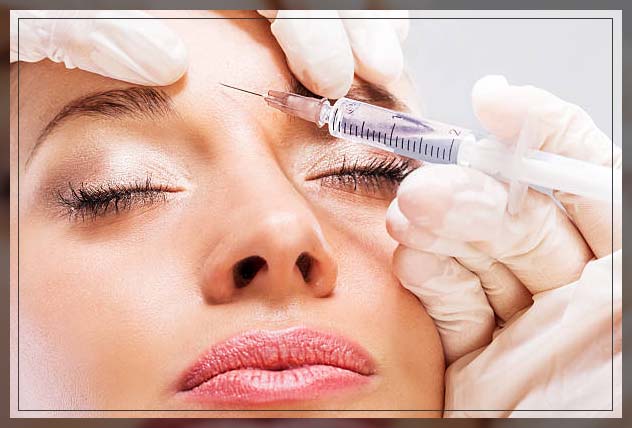
Botox has become a widely recognised non-surgical treatment for managing facial lines and maintaining a refreshed appearance. Many people consider it when they begin noticing wrinkles around the forehead, between the eyebrows or near the eyes. However, not everyone approaches treatment for the same reason. Some individuals choose Botox before deeper expression lines become established, while others seek treatment after wrinkles have already become visible.
This difference is commonly described as preventative Botox and corrective Botox. Although both approaches use botulinum toxin to temporarily relax selected facial muscles, their objectives, treatment considerations and timing can vary.
For individuals exploring Botox dubai, understanding these two approaches can help clarify which option may be appropriate for their facial concerns. At Cornerstone Clinic, treatment planning should consider facial anatomy, natural expressions, skin condition and individual aesthetic goals rather than following a fixed treatment schedule.
Understanding Preventative Botox
Preventative Botox refers to treatment intended to reduce the repetitive muscle movements that contribute to the development of expression lines. Facial expressions such as smiling, frowning and raising the eyebrows involve repeated muscle contractions. Over time, these movements can contribute to lines that gradually become more noticeable.
In younger adults or individuals with early signs of expression lines, these wrinkles may initially appear only when the face moves. For example, a horizontal forehead line might become visible when someone raises their eyebrows but disappear when the face returns to rest.
Preventative treatment aims to moderate the muscle activity responsible for these lines before they become deeply established. It does not stop the natural ageing process or guarantee that wrinkles will never develop. Instead, it may help reduce the repetitive folding of the skin in selected areas.
The decision to consider preventative Botox should depend on individual facial movement patterns and clinical assessment, not simply age. Some people develop expression lines earlier than others, while others may not need treatment for many years.
What Is Corrective Botox?
Corrective Botox is generally considered when expression lines are already visible and have become a noticeable aesthetic concern. These lines may appear when making facial expressions or remain visible even when the face is relaxed.
Repeated muscle contractions can gradually contribute to the formation of more persistent wrinkles. Corrective treatment focuses on reducing the activity of the muscles responsible for these lines, helping soften their appearance.
For example, someone may notice that the lines between their eyebrows remain visible even when they are not frowning. Another individual may have forehead lines that are noticeable throughout the day rather than appearing exclusively during facial movement.
Botox can help improve the appearance of certain dynamic wrinkles by temporarily relaxing targeted muscles. However, deeper lines that have developed into the skin may not disappear completely through Botox alone. Their appearance may require a broader aesthetic assessment and, depending on the individual’s concerns, consideration of other treatment approaches.
Corrective Botox is therefore not simply a stronger version of preventative treatment. It is an approach designed around existing facial lines, their depth and the underlying muscle activity.
Preventative Botox vs Corrective Botox: The Main Differences
Although both approaches use the same general treatment principle, their objectives and starting points are different.
1. Treatment Timing
One of the most noticeable differences is when treatment is considered.
Preventative Botox may be discussed when expression lines are beginning to appear during facial movement but have not become permanently visible. The objective is to manage repetitive muscle activity at an earlier stage.
Corrective Botox is generally considered when wrinkles are already established. Individuals may seek treatment because forehead lines, frown lines or crow’s feet have become more noticeable.
There is no universal age at which someone should start Botox. Facial anatomy, muscle strength, skin characteristics and personal preferences are more relevant than age alone.
2. The Primary Treatment Objective
Preventative treatment focuses on reducing the repetitive movements that contribute to the development of expression lines. It aims to help maintain a smoother appearance while preserving natural facial movement.
Corrective treatment focuses on improving the appearance of existing wrinkles. The practitioner assesses which muscles contribute to the lines and determines an appropriate treatment approach.
Both treatments should aim for balanced results rather than eliminating all facial movement.
3. Appearance of Facial Lines
Preventative Botox is often considered for early dynamic lines that appear during expressions and become less noticeable when the face is relaxed.
Corrective Botox may be suitable for more noticeable expression lines, including wrinkles that remain partially visible when the facial muscles are at rest.
The distinction is important because established lines may have both muscular and skin-related components. Relaxing the responsible muscles can soften their appearance, but it may not completely address changes in skin texture.
4. Individualised Treatment Planning
Preventative and corrective approaches require different considerations during consultation.
For preventative treatment, the practitioner may assess facial movements, areas of repeated muscle contraction and early signs of expression lines.
For corrective treatment, the assessment may also consider the depth of existing wrinkles, how they appear at rest and whether additional skin-related concerns influence their appearance.
In both cases, the treatment plan should be based on facial anatomy and the individual’s desired outcome.
Which Facial Areas Can Be Treated?
Botox is commonly used to address expression lines in several areas of the upper face. The most suitable areas depend on the individual’s facial anatomy and clinical assessment.
Forehead Lines
Forehead lines develop through repeated contraction of the frontalis muscle, which raises the eyebrows. Preventative treatment may be considered when these lines are beginning to appear during eyebrow movement.
For individuals with established forehead wrinkles, corrective treatment may help soften their appearance by reducing excessive muscle contraction. The practitioner must also consider eyebrow position and natural forehead movement when planning treatment.
Frown Lines Between the Eyebrows
Frown lines, sometimes called glabellar lines, appear between the eyebrows when someone concentrates, frowns or squints.
These lines can become more noticeable with repeated expressions. Preventative Botox may be considered when early lines begin appearing during frowning, while corrective treatment may help soften more established wrinkles.
Crow’s Feet
Crow’s feet are fine lines that develop around the outer corners of the eyes, often becoming noticeable when smiling or squinting.
Preventative treatment may be considered when these lines are becoming more prominent during facial expressions. Corrective treatment focuses on softening existing lines while maintaining a natural-looking smile.
How Does the Botox Treatment Process Work?
Whether someone is considering preventative or corrective Botox, the treatment process begins with a consultation. This allows the practitioner to understand the individual’s concerns and determine whether Botox is an appropriate option.
During the assessment, the practitioner may examine the face at rest and during different expressions. This helps identify the muscles responsible for particular lines and understand how facial movement affects the appearance of the skin.
The treatment plan is then developed according to the areas being considered, muscle activity and desired outcome. Botox is administered through carefully placed injections into selected muscles.
The procedure is generally brief and does not usually require an extended recovery period. However, patients should follow the practitioner’s aftercare instructions and discuss any questions before treatment.
Results do not appear immediately. The effects typically begin developing over several days, with the full result becoming more apparent within approximately two weeks. The duration varies between individuals and treatment areas, with effects commonly lasting around three to four months.
Can Preventative Botox Be Used Without Existing Wrinkles?
Preventative Botox does not necessarily require visible wrinkles to be present. However, the absence of wrinkles alone does not mean someone should automatically consider treatment.
The purpose is to address specific patterns of muscle activity that may contribute to expression lines over time. A practitioner should determine whether there is a reasonable treatment indication based on facial movement and individual concerns.
People with minimal expression lines and no significant aesthetic concerns may not need Botox. Maintaining realistic expectations is important because preventative treatment is a personal choice rather than a requirement for healthy ageing.
It is also important to understand that Botox does not replace general skincare practices. Sun protection, appropriate moisturising and a consistent skincare routine remain useful parts of maintaining skin quality.
Is Corrective Botox Effective for Deep Wrinkles?
Corrective Botox can improve the appearance of many expression-related wrinkles, but the outcome depends on the type and depth of the lines.
Dynamic wrinkles caused mainly by muscle movement often respond well because treatment reduces the contractions responsible for creating them.
However, deeper static wrinkles may remain visible after the muscles have relaxed. This happens because the skin itself may have developed more permanent creases over time.
In these situations, a practitioner may discuss whether other aesthetic treatments could complement Botox. The most appropriate approach depends on the condition of the skin, the location of the wrinkles and the individual’s expectations.
The objective should be to improve the overall appearance while maintaining natural facial proportions and expressions.
How Often Should Botox Treatment Be Repeated?
Botox is temporary, so its effects gradually wear off as muscle activity returns. Many individuals consider repeat treatment approximately every three to four months, although the appropriate interval varies.
Preventative treatment does not mean that injections must continue indefinitely or that more frequent sessions produce better results. Similarly, corrective treatment should not automatically involve higher doses or shorter intervals.
A practitioner can review the results of previous sessions and determine whether further treatment is appropriate. This helps maintain a consistent approach while avoiding unnecessary injections.
People considering Botox Cost in dubai should also understand that pricing may vary according to the treatment areas, amount of product required and individual treatment plan. A personalised consultation provides a clearer understanding of the proposed treatment and associated cost.
Choosing Between Preventative and Corrective Botox
Choosing between these approaches begins with understanding what is happening to the facial skin and muscles.
Someone with early expression lines may be interested in preventative treatment, particularly if certain muscles contract strongly during everyday expressions. On the other hand, someone with established forehead lines, frown lines or crow’s feet may be more interested in corrective treatment.
Neither option is automatically better. The appropriate choice depends on the individual’s facial features, concerns and expectations.
A professional consultation can help determine whether treatment is necessary, which areas may benefit and what results can realistically be expected. It also provides an opportunity to discuss alternatives if Botox is unlikely to address the concern on its own.
Why Choose Cornerstone Clinic for Botox Treatment in Dubai?
Selecting an appropriate clinic is an important part of planning any aesthetic treatment. Patients should look for a setting where consultations, facial assessments and treatment recommendations are based on individual needs.
At Cornerstone Clinic, individuals exploring Botox can discuss their concerns and understand the differences between preventative and corrective approaches. A personalised assessment helps establish whether the treatment is suitable and which facial areas may be considered.
Clear communication about expected results, treatment intervals and individual requirements is equally important. The aim should be to achieve a refreshed appearance without unnecessarily changing natural facial expressions.
Conclusion
Preventative and corrective Botox share the same basic treatment principle, but they address different stages of expression-line development. Preventative Botox is generally considered when early lines appear during facial movement, with the aim of reducing repetitive muscle activity. Corrective Botox focuses on softening wrinkles that are already established.
Neither approach follows a universal age requirement or treatment schedule. The right option depends on facial anatomy, muscle activity, skin condition and individual aesthetic goals.
For anyone considering Botox Dubai, a professional consultation at Cornerstone Clinic can help clarify whether preventative or corrective treatment is appropriate. Understanding the differences allows individuals to make informed decisions and choose an approach that supports natural-looking results.
Frequently Asked Questions
1. What is the main difference between preventative and corrective Botox?
Preventative Botox aims to reduce repetitive muscle activity before expression lines become deeply established. Corrective Botox focuses on softening wrinkles that are already visible. Both treatments use botulinum toxin to temporarily relax selected facial muscles.
2. At what age should someone consider preventative Botox?
There is no fixed age for preventative Botox. Suitability depends on facial movement, muscle activity, early expression lines and personal aesthetic goals. A professional assessment is more useful than following a particular age recommendation.
3. Can preventative Botox stop wrinkles from developing?
Preventative Botox may help reduce the repetitive muscle movements that contribute to expression lines. However, it cannot completely prevent wrinkles or stop natural skin ageing.
4. Does corrective Botox remove deep forehead wrinkles?
Corrective Botox can soften forehead wrinkles caused by repeated muscle contractions. Deeper static lines may remain partially visible because they also involve changes in the skin itself.
5. Which facial areas are commonly treated with Botox?
Common treatment areas include forehead lines, frown lines between the eyebrows and crow’s feet around the eyes. Suitability depends on facial anatomy and the practitioner’s assessment.
6. How long does Botox take to show results?
Initial effects usually become noticeable within several days. The full result generally develops within approximately two weeks, although individual response times can vary.
7. How long do preventative and corrective Botox results last?
Both approaches generally produce temporary results. Effects commonly last around three to four months, depending on individual factors, treatment area and muscle activity.
8. Is preventative Botox better than corrective Botox?
Neither approach is universally better. Preventative Botox may suit individuals with early expression lines, while corrective Botox may be more appropriate for people concerned about established wrinkles. The choice depends on individual assessment.
9. Can someone switch from preventative to corrective Botox?
Yes. As facial lines and skin characteristics change over time, treatment goals may also change. A practitioner can review the face and adjust the treatment approach when appropriate.
10. How much does Botox cost in Dubai?
The cost depends on the treatment areas, amount of Botox required, product used and individual treatment plan. A consultation at Cornerstone Clinic can help establish the expected treatment cost.
11. Does Botox make the face look unnatural?
Botox does not have to create an unnatural appearance. Appropriate treatment planning considers facial proportions and natural muscle movement. The goal is to soften unwanted lines while maintaining balanced expressions.
12. Is a consultation necessary before Botox treatment?
Yes. A consultation helps assess facial anatomy, muscle movement and individual concerns. It also allows the practitioner to determine whether Botox is suitable and explain the expected results.