
Can laser fat reduction help reduce stubborn fat?
Laser fat reduction can help reduce certain localized fat deposits that remain noticeable despite regular exercise and a balanced diet. It is a body contouring option for people who want to improve specific areas without necessarily undergoing traditional surgery. Depending on the technology used, treatment may deliver laser energy through the skin or use a minimally invasive technique. People considering إزالة الدهون بالليزر في دبي can explore how laser-based procedures may help address stubborn fat and improve body contours.
What Is Stubborn Fat?
Stubborn fat refers to localized fat deposits that may be difficult to reduce through lifestyle changes alone. Genetics, hormones, age, and individual fat distribution can influence where the body stores fat.
Common areas of concern include the abdomen, flanks, thighs, upper arms, and back. Some people also experience fullness beneath the chin.
Stubborn fat does not necessarily indicate poor health or excess body weight. However, it is important to distinguish localized fat from loose skin, swelling, or other conditions because each may require a different approach.
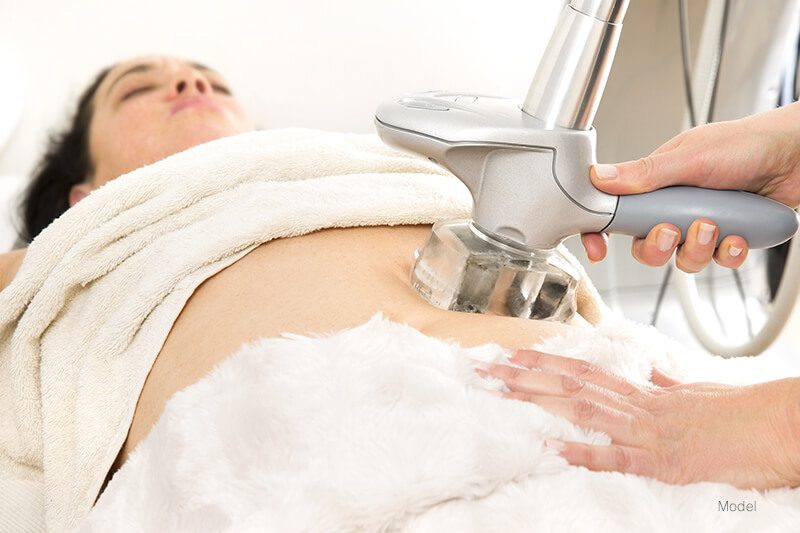
How Does Laser Fat Reduction Target Stubborn Fat?
Laser fat reduction uses specific technologies to deliver energy to targeted fat tissue. The treatment mechanism depends on the device and whether the procedure is non-invasive or minimally invasive.
Non-Invasive Laser Treatment:
External laser devices deliver controlled energy through the skin without surgical incisions. Depending on the technology, this energy may affect fat cells and initiate changes that develop gradually.
These procedures generally involve limited downtime compared with surgery, although temporary redness, swelling, tenderness, or discomfort can occur.
Minimally Invasive Laser-Assisted Lipolysis:
Laser-assisted lipolysis involves inserting a small laser fiber beneath the skin through a small incision. The laser energy affects fat tissue and may also produce heating effects in surrounding tissues.
Because this approach involves an incision, it is minimally invasive rather than completely non-surgical. It may require anesthesia and a specific recovery plan.
Patients should ask which method is being offered because the expected results, recovery, and risks differ.
Which Areas of Stubborn Fat Can Be Treated?
Depending on the device and its approved uses, laser-based fat reduction may be considered for selected areas.
- Abdomen: May help improve the appearance of localized fullness around the stomach.
- Flanks: Can be considered for fat around the sides of the waist.
- Thighs: May target selected inner or outer thigh deposits.
- Upper arms: May help address localized fat when excess skin is not the main concern.
- Back: May be considered for selected fat deposits around the back.
- Beneath the chin: Certain technologies are designed for submental fat, but not every device is appropriate for the face or neck.
A qualified practitioner should assess the treatment area and confirm whether the chosen technology is suitable.
What Are the Benefits of Laser Fat Reduction?
Targeted Body Contouring:
Laser fat reduction focuses on selected areas rather than reducing body fat throughout the entire body. This may be useful for people seeking modest changes in their body shape.
Limited Downtime With Non-Invasive Options:
External treatments generally avoid surgical incisions and may allow patients to resume routine activities relatively quickly. Recovery varies according to the technology and individual response.
Gradual Improvement:
Visible changes may develop over several weeks or longer. The practitioner should explain the expected timeline and how progress will be assessed.
An Alternative to Surgery for Some Patients:
Non-invasive procedures may suit people who prefer to avoid surgery and have realistic expectations about the degree of improvement possible. However, they may not achieve the same results as surgical fat removal.
Can Laser Fat Reduction Replace Diet and Exercise?
No. Laser fat reduction is intended for localized body contouring rather than significant weight loss. A balanced diet, regular physical activity, and sustainable habits remain important for maintaining a healthy weight.
Even after a treatment reduces targeted fat, remaining fat cells can enlarge if weight increases. Maintaining a relatively stable weight may help preserve the results.
People with larger fat deposits or obesity may benefit more from an appropriate medical weight-management plan than from a localized cosmetic procedure alone.
Who Is a Suitable Candidate?
Laser fat reduction may be considered for adults who have localized fat deposits and want to improve specific body contours. Suitability depends on the treatment method, medical history, skin condition, and desired outcome.
People with significant loose skin may need a different treatment because fat reduction does not necessarily tighten the skin. Pregnancy, certain medical conditions, implanted devices, and skin problems may also affect eligibility, depending on the technology.
A consultation allows the practitioner to review these factors and explain the available options.
Are There Risks or Limitations?
Although non-invasive laser fat reduction avoids surgical incisions, it is not risk-free. Possible side effects include redness, swelling, tenderness, discomfort, and changes in skin sensation. Burns or other skin injuries may occur if the treatment is unsuitable or performed incorrectly.
Minimally invasive laser-assisted lipolysis carries additional risks, including infection, bleeding, anesthesia-related complications, and tissue injury.
Results vary, and some patients may experience only modest improvement. Patients should choose a qualified provider and follow the recommended aftercare instructions.
Frequently Asked Questions
Does laser fat reduction work on stubborn belly fat?
Certain technologies may help improve localized abdominal fat, but suitability depends on the device, the amount of fat, and individual characteristics.
How long does it take to see results?
Results vary by technology. Some changes may become noticeable over several weeks or longer, so patients should ask the practitioner about the expected timeline for the specific procedure.
Can stubborn fat return after laser treatment?
Remaining fat cells can enlarge with weight gain. Maintaining a stable weight can help support longer-lasting body contouring results.
Is laser fat reduction painful?
The experience depends on the technology. Non-invasive treatments may cause warmth or temporary discomfort, while minimally invasive procedures may require anesthesia and post-treatment pain management.
Conclusion:
Laser fat reduction may help improve stubborn fat deposits in selected areas when used with an appropriate technology and realistic expectations. It is designed for localized body contouring rather than substantial weight loss, and its effectiveness varies by procedure and individual response. A professional consultation can help determine whether laser fat reduction is suitable and explain the expected benefits, recovery, limitations, and potential risks.