
IPTV Service in the USA: What to Know Before Choosing
Introduction
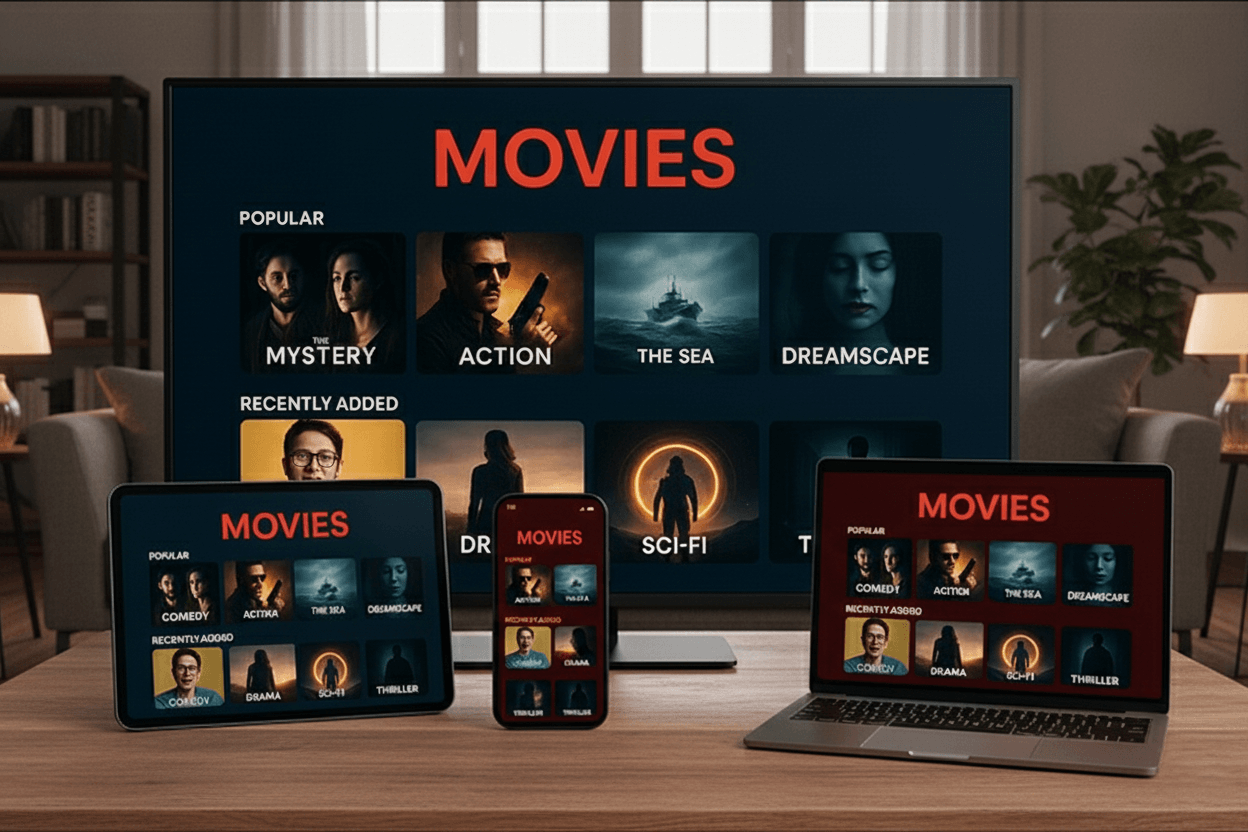
Choosing an online television package in the United States can feel confusing because many providers promote different channels, streaming features, subscription prices, and device options. For viewers who want more control over their entertainment, internet-based television can provide an alternative to traditional cable packages. However, not every service offers the same viewing experience, and the right choice depends on your household’s needs.
An IPTV Service delivers television content over an internet connection, allowing viewers to access supported programming through compatible devices. Depending on the provider and package, this may include live television, movies, news, sports, and on-demand entertainment. The available content, picture quality, and viewing conditions can vary, so it is important to examine the details before purchasing.
For people researching iptv usa options, the decision should involve more than comparing advertised channel numbers. Internet reliability, device compatibility, customer support, pricing, and content licensing all deserve attention. Understanding these factors before subscribing can help you avoid unsuitable packages and choose a service that matches your regular viewing habits.
Identify Your Television and Entertainment Needs
Before comparing providers, think about what you and your family actually watch. Some households mainly enjoy movies and television dramas, while others prioritize live sports, international news, children’s programs, or regional entertainment. Making a list of these preferences helps you choose a suitable package without paying for features you rarely use.
Consider how many people will use the service. One person may only need access to a few favorite channels, while a larger household may require a wider selection of programs and more than one supported viewing device. Different family members may also prefer different languages or entertainment categories.
Think about your viewing schedule as well. If you usually watch television after work, reliable evening streaming may be more important than having an exceptionally large channel list. If you travel frequently, supported mobile viewing could also be useful, subject to the provider’s terms and geographic restrictions.
Once you understand your priorities, compare each provider against the same requirements. Check which programs are included, whether the necessary devices are supported, and what limitations apply to the subscription.
This approach makes the selection process more practical. Instead of choosing the package with the biggest promotional claims, you can focus on the features that improve your everyday viewing experience and provide value for your household.
Examine the Available Channels and Content
Channel selection is one of the most important factors when comparing television packages. A provider may advertise thousands of channels, but that number does not automatically mean it includes the programs you want to watch. The actual channel lineup and content rights matter much more than the headline figure.
Review the available IPTV Channels carefully. Depending on the package, content may include news, movies, sports, entertainment, children’s programs, or international programming. If you prefer television in a particular language, confirm that your essential channels are available in that language and in your location.
Check whether the package includes live television, on-demand programs, or both. Live channels follow broadcast schedules, while on-demand libraries may allow you to select supported movies and shows at a convenient time. These features vary, and a channel being listed does not necessarily mean that every program it broadcasts is available on demand.
If you regularly watch a particular sports competition, news broadcast, or entertainment show, verify its availability directly before subscribing. Channel lists can change because of distribution agreements and other restrictions.
It is also wise to avoid providers that make broad promises but cannot explain their content offering. Look for clear package information and confirm that the provider has the appropriate rights to distribute its programming. A relevant, accurately described channel lineup is more valuable than a large but unclear selection.
Check Internet Speed and Streaming Performance
Because internet-based television relies on network delivery, the quality of your connection can affect the viewing experience. Slow speeds, weak Wi-Fi signals, and network congestion may cause buffering, delayed playback, or changes in picture quality.
Begin by checking the technical requirements published by the provider. Your household’s needs will depend on the video resolution, the number of devices streaming at the same time, and other internet activities taking place in the home.
For example, a television stream may work well when the network is quiet but experience problems when several people are watching videos, joining video calls, or downloading large files. The router’s location can also matter. Walls, distance, and signal interference may reduce Wi-Fi performance.
If you experience interruptions, test your connection and check whether other internet applications are also affected. Moving the viewing device closer to the router or using a wired connection, where supported, may help. However, not every streaming problem comes from the home network; the provider’s infrastructure and the content source can also influence performance.
When a legitimate trial is available, use it to assess the service before committing to a long plan. Test several channels during the hours when you usually watch television, and pay attention to loading times, picture clarity, and audio consistency.
No provider can guarantee uninterrupted playback under every network condition. Realistic testing is therefore an important part of choosing a reliable option.
Compare Subscription Prices and Plan Conditions
Price is an important consideration, but the cheapest package may not always offer the best overall value. One plan might have a lower advertised cost but lack your preferred channels, while another may provide useful features that justify the difference for your household.
Before purchasing an IPTV Subscription, review the complete price and payment schedule. Check the subscription length, renewal conditions, cancellation process, refund policy, and any additional charges. If the provider advertises a promotional price, confirm what you will pay when the promotional period ends.
Look at the features included in each package. Are the channels you want part of the plan? Does the service support your device? Are there limits on simultaneous streams? Is on-demand content included, or does it require a different package? These details can make a significant difference to the value you receive.
Avoid paying for an extended period before testing the service and confirming that the provider is legitimate. A shorter commitment may provide more flexibility while you evaluate streaming performance and customer support.
Be cautious of offers that pressure you to make an immediate payment or make unrealistic claims without explaining the conditions. A trustworthy seller should provide clear information about its business, subscription terms, and support options.
The goal is to find a plan that fits your actual viewing habits and budget. Comparing total cost, useful features, and service reliability will help you make a more informed purchasing decision.
Confirm Device Compatibility and Ease of Use
A television package should work with the equipment you already own or plan to use. Some households prefer watching on a living-room television, while others use smartphones, tablets, computers, or supported streaming devices. Compatibility should be confirmed before you pay.
Check the provider’s official list of supported devices and operating systems. Not every service works with every smart TV or streaming player, and compatibility may vary by model. If additional hardware is required, include its cost in your budget before choosing a plan.
The viewing interface is just as important as basic compatibility. A well-organized menu, clear channel categories, a readable program guide, and straightforward search functions can make it easier to find content. Complicated navigation may frustrate family members, especially those who are less comfortable with technology.
Ask whether the subscription allows multiple devices or simultaneous streams. These are different requirements: a provider might allow an account to be installed on several compatible devices while limiting how many can play content at one time.
Follow official installation instructions and avoid downloading unfamiliar software from unverified websites. If you need help with activation, find out whether setup guidance or customer support is available.
A convenient viewing experience should not require repeated technical troubleshooting. Choosing a compatible service with a straightforward interface can help everyone in the household enjoy their preferred programs more easily.
Evaluate the Provider’s Reliability, Support, and Legitimacy
Technical features and channel selection are important, but customer support often becomes most valuable when something goes wrong. You may need help activating an account, resolving playback problems, understanding a payment, or reporting a missing channel.
Before subscribing, look for clear contact information, setup instructions, troubleshooting resources, and written service terms. A provider should explain how to request assistance and what the subscription includes. Be cautious when a seller hides important details or makes promises that cannot be verified.
Account security deserves attention, too. Use a strong, unique password, protect your payment information, and review the permissions requested by any application you install. Avoid sharing account credentials unnecessarily, and be careful with websites that ask for excessive personal information.
Content licensing is another essential consideration. Internet streaming technology does not automatically give a company permission to distribute every channel or program it advertises. Choose a provider that has appropriate distribution rights and describes its content offering clearly.
Review the privacy policy, payment conditions, cancellation terms, and refund rules before making a commitment. Keep the purchase confirmation and a copy of the plan details for your records.
A reliable iptv provider should make it reasonably easy to understand its business, available services, and subscription conditions. These checks cannot guarantee a problem-free experience, but they can help you make a better-informed decision and reduce avoidable risks.
Conclusion
Choosing television over the internet requires careful consideration of your viewing preferences, channel availability, internet connection, device compatibility, and budget. Taking time to compare these factors can help you avoid unsuitable packages and select a service that fits your household’s needs.
When exploring iptv usa options, focus on verified content availability and the quality of the overall viewing experience. Review the IPTV Channels included in the package instead of relying on advertised numbers alone. Before purchasing an IPTV Subscription, understand the total cost, renewal conditions, device restrictions, and cancellation policy. Choosing a legitimate iptv provider with transparent terms, appropriate content rights, and useful customer support is equally important.
The most suitable service is not necessarily the one with the largest channel list or the lowest price. It is the option that delivers the content you want, works with your devices and internet connection, and provides clear subscription conditions. With careful research and realistic expectations, you can make a more confident decision about your television entertainment in 2026.