
Laser Therapy for Joint Pain: A Drug-Free Solution for Lasting Relief and Better Mobility
Joint pain can make everyday tasks feel difficult. Walking, climbing stairs, exercising, or even standing for long periods may become uncomfortable. While medication can provide temporary relief, many people are looking for treatments that address the cause of pain instead of simply masking it.
Laser therapy for joint pain has become a popular non-invasive treatment that supports the body’s natural healing process. It is widely used by physical therapists, chiropractors, sports medicine professionals, and pain management clinics because it is safe, painless, and requires little to no recovery time.
In this guide, you’ll learn how laser therapy works, who can benefit from it, and why it has become an important part of modern pain management.
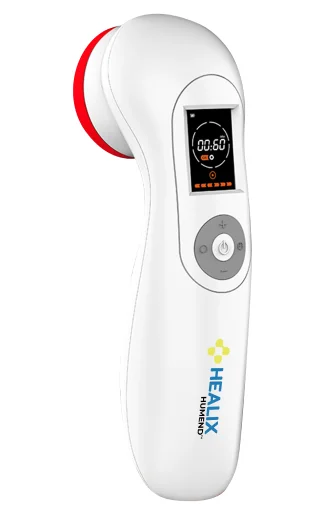
What Is Laser Therapy for Joint Pain?
Laser therapy uses specific wavelengths of light to reach injured or inflamed tissues beneath the skin. The light energy stimulates cells to produce more energy, helping the body repair damaged tissue more efficiently.
Unlike surgery or injections, laser therapy does not require cutting the skin or using medications. Most patients describe the treatment as comfortable, often feeling only gentle warmth during the session.
The goal is to reduce inflammation, improve circulation, and encourage faster healing.
How Does Laser Therapy Work?
Healthy cells need energy to repair damaged tissues. Laser therapy increases cellular energy production by stimulating the mitochondria, often called the “powerhouse” of the cell.
This increased energy helps:
- Reduce inflammation
- Improve blood circulation
- Relax tight muscles
- Support tissue repair
- Decrease pain signals
- Encourage natural healing
As inflammation decreases, many patients experience improved movement and less discomfort.
Conditions That May Benefit from Laser Therapy
Laser therapy is commonly used for many joint-related conditions, including:
- Knee pain
- Shoulder pain
- Hip pain
- Arthritis
- Elbow pain
- Wrist pain
- Ankle injuries
- Sports injuries
- Tendon inflammation
- Ligament injuries
Healthcare professionals often include laser therapy as part of a broader rehabilitation program.
Benefits of Laser Therapy for Joint Pain
Drug-Free Pain Relief
Many people want alternatives to long-term pain medication. Laser therapy offers a natural approach without relying on drugs.
Reduces Inflammation
Inflammation is one of the main causes of chronic joint pain. Laser therapy helps reduce swelling, allowing joints to move more comfortably.
Faster Healing
Improved circulation delivers oxygen and nutrients to damaged tissues, helping speed recovery.
Better Mobility
As pain decreases, many patients regain flexibility and range of motion.
Non-Invasive Treatment
No needles, surgery, or lengthy recovery periods are required.
Quick Appointments
Most treatment sessions last between 10 and 20 minutes, making them easy to fit into a busy schedule.
What Happens During a Treatment Session?
A typical laser therapy appointment includes:
- Evaluation of the painful joint.
- Placement of the laser device over the treatment area.
- Delivery of light energy for several minutes.
- Return to normal daily activities immediately after treatment.
Many patients notice gradual improvement after several sessions, although treatment plans vary depending on the condition and its severity.
Who Is a Good Candidate?
Laser therapy may be suitable for people who:
- Have chronic joint pain
- Are recovering from sports injuries
- Experience arthritis symptoms
- Want to avoid surgery if possible
- Need support during physical rehabilitation
- Prefer non-drug treatment options
A healthcare provider can determine whether laser therapy is appropriate for your specific condition.
Real-World Example
Imagine someone with knee pain caused by years of running. Daily walks become uncomfortable, and climbing stairs becomes difficult.
After several laser therapy sessions combined with stretching and strengthening exercises, swelling decreases, movement improves, and everyday activities become much easier.
Results vary from person to person, but many rehabilitation clinics report improved patient comfort when laser therapy is included as part of a complete treatment plan.
Expert Tips for Better Results
To get the most from laser therapy for joint pain, consider these recommendations:
- Complete the full treatment plan.
- Stay active with low-impact exercise.
- Maintain a healthy body weight.
- Perform stretching exercises consistently.
- Drink enough water.
- Follow your therapist’s home exercise program.
- Report any changes in symptoms during follow-up visits.
Combining healthy habits with professional treatment often produces better long-term outcomes.
Common Myths About Laser Therapy
Laser therapy is painful.
Fact: Most patients feel little or no discomfort during treatment.
One session fixes everything.
Fact: Healing usually happens gradually over multiple treatments.
Laser therapy is only for athletes.
Fact: People of all ages with joint pain may benefit, including older adults and individuals with arthritis.
Choosing the Right Laser Therapy Provider
When selecting a provider, consider:
- Clinical experience
- Professional certifications
- Modern laser equipment
- Personalized treatment plans
- Positive patient reviews
- Clear explanations of expected outcomes
A qualified provider will evaluate your condition before recommending treatment.
Supporting Joint Health Between Treatments
Healthy habits can improve your recovery:
- Walk regularly.
- Stretch daily.
- Strengthen surrounding muscles.
- Eat anti-inflammatory foods.
- Get enough sleep.
- Avoid activities that overload painful joints.
Small lifestyle changes often make a noticeable difference over time.
Frequently Asked Questions
Is laser therapy safe for joint pain?
Yes. When performed by trained professionals using approved equipment, laser therapy is generally considered safe and non-invasive.
How many treatments are usually needed?
The number varies depending on the condition, severity, and individual response. Some people notice improvement within a few sessions, while chronic conditions may require a longer treatment plan.
Can laser therapy replace surgery?
Laser therapy is not a replacement for every surgical procedure. However, for some patients, it may help reduce pain and improve function enough to delay or avoid surgery. Treatment decisions should always be made with a qualified healthcare professional.
Does laser therapy help arthritis?
Many people with arthritis use laser therapy to help reduce pain, stiffness, and inflammation as part of a comprehensive care plan.
Are there any side effects?
Side effects are uncommon when treatment is performed correctly. Some patients may experience mild, temporary soreness as tissues respond to the healing process.