
Upgrading Exterior Architecture with a WPC Outdoor Wall Panel
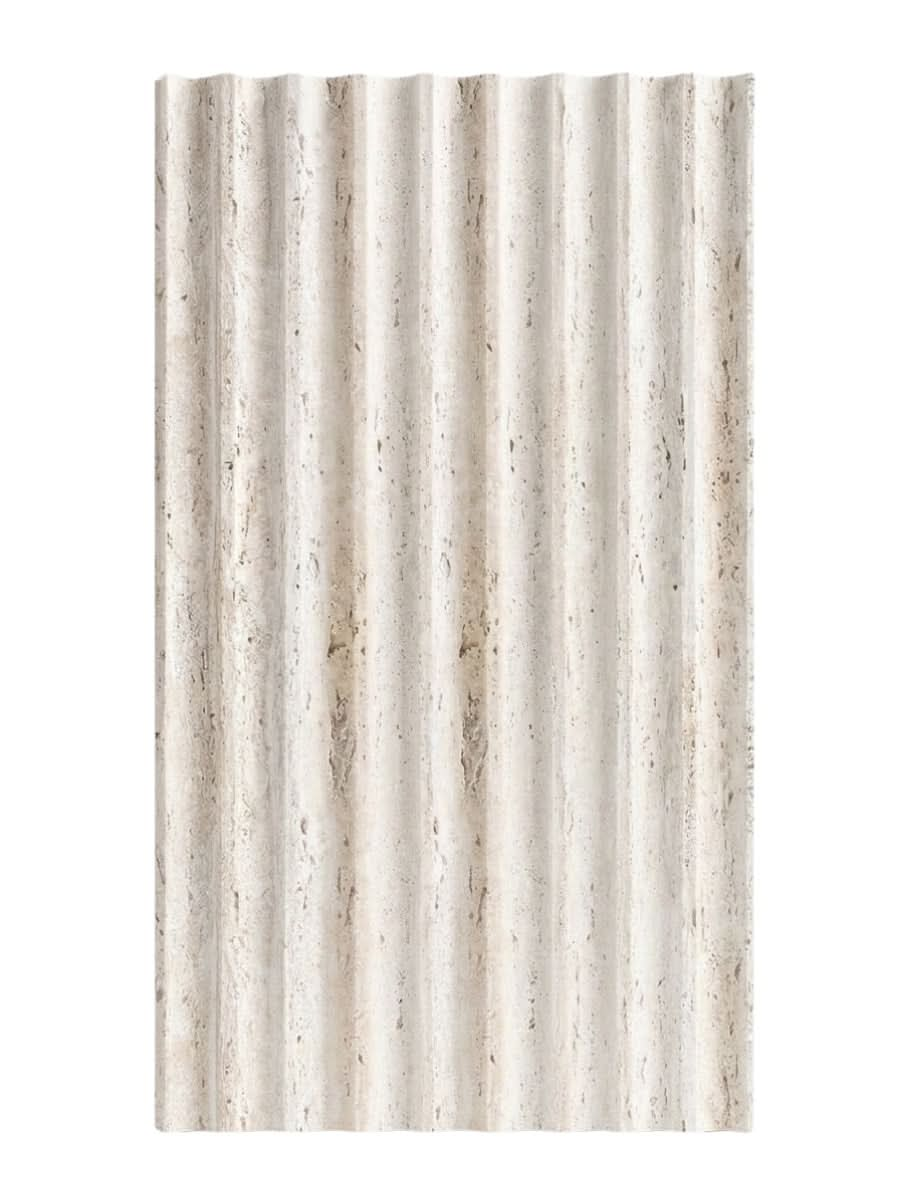
Modern exterior design demands materials that combine visual warmth with extreme resilience against the elements. Homeowners, architects, and commercial builders are increasingly moving away from traditional timber and heavy stone in favor of smarter composite alternatives. Choosing a wpc outdoor wall panel allows you to achieve the authentic look and rich texture of natural wood without dealing with constant upkeep, rotting, or fading. Manufactured from a precision blend of recycled wood fibers and high-density thermoplastics, these cladding systems deliver a sleek, contemporary finish that elevates curb appeal while protecting the underlying structure of any building.
Built to Withstand Harsh Weather Conditions
Exterior surfaces endure relentless exposure to ultraviolet rays, torrential rain, humidity, and extreme temperature fluctuations throughout the year. Unlike conventional timber that warps, cracks, or splinters when moisture penetrates its grain, a wpc outdoor wall panel is engineered with a protective outer polymer cap that repels water and blocks UV degradation. This advanced formulation prevents fungal growth, mold, and termite infestations, ensuring the facade remains structurally sound even in coastal or high-moisture climates. Property owners gain peace of mind knowing their exterior cladding will retain its original color and dimensional stability season after season.
Minimal Maintenance and Long-Term Cost Savings
Traditional wood siding requires regular sanding, staining, sealing, and repainting every few years to prevent deterioration, driving up lifecycle expenses. By contrast, installing a wpc outdoor wall panel eliminates the need for harsh chemical treatments or intensive annual maintenance routines. Keeping the surface looking brand new requires nothing more than an occasional rinse with mild soap and water to clear away dust and debris. While the initial investment is comparable to mid-range hardwood cladding, the dramatic reduction in ongoing labor and maintenance supplies makes composite panels a far more economical choice over the lifespan of the property.
Eco-Friendly Composition and Sustainable Design
Sustainability has become a primary consideration in contemporary construction, and composite cladding offers an environmentally responsible alternative to deforestation. Each wpc outdoor wall panel is produced using reclaimed wood flour from industrial timber waste alongside recycled plastics, diverting substantial waste from landfills. Furthermore, the manufacturing process avoids toxic preservatives such as arsenic or formaldehyde that are commonly found in pressure-treated lumber. Choosing composite exterior panels supports green building standards while delivering a fully recyclable product at the end of its service life.
Versatile Aesthetics and Effortless Installation
Design flexibility is another major advantage that sets composite exterior cladding apart from rigid masonry or limited natural wood species. Available in an extensive palette of earthy tones, fluted profiles, and realistic wood-grain textures, a wpc outdoor wall panel seamlessly complements residential villas, commercial storefronts, garden fences, and patio feature walls. Most modern systems feature an interlocking tongue-and-groove design paired with concealed clips, allowing contractors and skilled DIYers to complete installations rapidly with clean, fastener-free sightlines and superior thermal insulation.