
What should a HIFU Treatment consultation include?
A HIFU Treatment consultation should include a detailed skin assessment, medical history review, discussion of aesthetic goals, evaluation of treatment suitability, and an explanation of potential benefits and risks. HIFU, or High-Intensity Focused Ultrasound, is a non-invasive procedure that delivers focused ultrasound energy beneath the skin to support collagen remodelling and improve the appearance of mild skin laxity. People exploring علاج الـهايفو في دبي can use a consultation to understand how the treatment works, what results may be realistic, and whether it suits their individual needs. A thorough assessment helps establish an appropriate treatment plan and supports informed decision-making.
Why Is a HIFU Treatment Consultation Important?
A consultation helps determine whether HIFU is appropriate for the patient’s skin concerns, anatomy, and medical circumstances. Although the procedure is non-invasive, it is not suitable for everyone and can cause side effects.
The practitioner should explain what HIFU may achieve, what its limitations are, and whether another treatment might be more appropriate. Patients should have enough information to make a decision without feeling pressured to proceed.
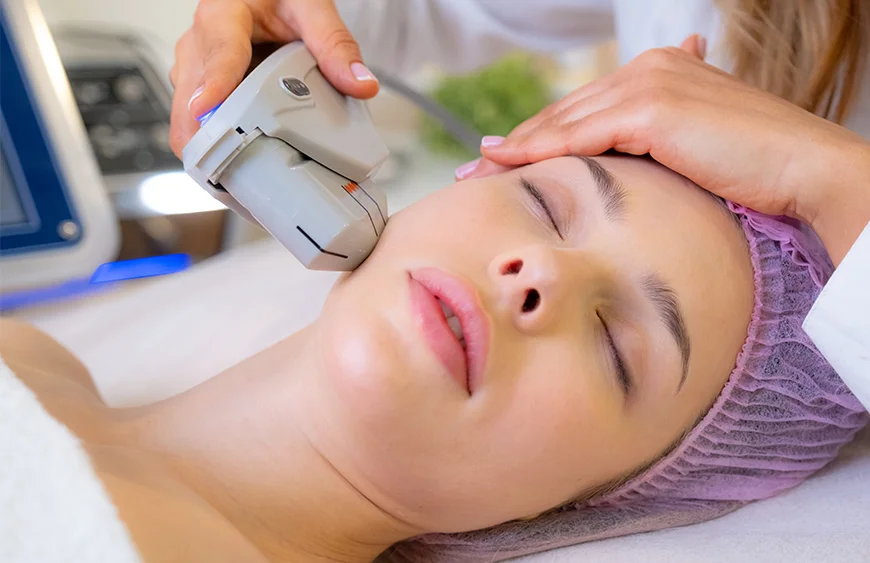
The consultation also provides an opportunity to discuss treatment expectations, possible discomfort, recovery, aftercare, and follow-up arrangements.
What Should Be Discussed During the Initial Consultation?
The consultation usually begins with a discussion about the patient’s concerns and goals.
Identifying Skin Concerns:
The practitioner asks which areas the patient wants to address. These may include mild laxity around the jawline, reduced cheek firmness, or selected concerns involving the neck.
Understanding the main concern helps determine whether HIFU is appropriate or whether another approach may be more suitable.
Establishing Realistic Expectations:
The practitioner should explain the likely degree of improvement and how results may develop over time. HIFU may support gradual improvements in skin firmness, but it cannot guarantee a particular facial contour or reproduce the results of a surgical facelift in every case.
Patients should also understand that results vary and that natural ageing continues after treatment.
Discussing Previous Treatments:
Information about previous cosmetic procedures, skin-tightening treatments, and any unusual reactions can help the practitioner develop an appropriate plan.
Patients should mention previous HIFU sessions and other treatments involving the proposed area.
What Should the Skin Assessment Include?
A physical assessment helps the practitioner determine whether the treatment is suitable for the specific concern.
The assessment may include:
- Skin laxity: Evaluating the degree of visible looseness or loss of firmness.
- Treatment area: Examining the jawline, cheeks, neck, or other proposed areas.
- Skin condition: Identifying irritation, infection, wounds, or other concerns that may affect treatment.
- Facial anatomy: Assessing the underlying tissue and the suitability of the intended treatment area.
- Expected outcome: Determining whether the likely improvement aligns with the patient’s goals.
Photographs may be taken with the patient’s consent to document the initial appearance and help assess changes during follow-up.
What Medical History Should Be Reviewed?
Medical history is an essential part of determining whether HIFU can be performed safely. Patients should disclose relevant information, including:
- Existing medical conditions.
- Current medications and supplements.
- Allergies and previous treatment reactions.
- Previous cosmetic procedures or surgery.
- Implanted electronic devices or other implants, where relevant to the device instructions.
- Active skin infections, wounds, or inflammatory skin conditions in the treatment area.
The practitioner should review the specific device’s instructions and determine whether any medical factors require additional precautions, postponement, or an alternative treatment.
Patients should not stop prescribed medication without advice from the healthcare professional responsible for their care.
What Information About HIFU Should the Practitioner Explain?
A thorough consultation should provide a clear explanation of the procedure.
How the Treatment Works:
HIFU delivers focused ultrasound energy to selected tissue layers beneath the skin. The resulting controlled heating may stimulate collagen remodelling and improve the appearance of mild skin laxity over time.
Treatment Duration:
The session may take around 30 to 90 minutes, depending on the device, treatment area, and individual plan. Consultation and preparation may require additional time.
Potential Benefits and Limitations:
The practitioner should explain the potential for gradual improvements in firmness and selected facial contours while making clear that results vary and may be modest.
Possible Side Effects:
Temporary redness, swelling, tenderness, tingling, or discomfort may occur. Less common complications can include burns, prolonged pain, altered sensation, or nerve injury.
Recovery and Aftercare:
Patients should receive instructions about skincare, sun protection, expected temporary effects, and when to contact the clinic if symptoms develop.
Should Alternative Treatments Be Discussed?
Yes. A consultation should consider whether HIFU is the most appropriate option or whether another approach may better address the patient’s concern.
Depending on the degree of skin laxity and the desired result, alternatives may include other non-invasive treatments or surgical procedures. People with significant excess skin may not achieve their desired outcome with HIFU alone.
A responsible practitioner should explain the benefits, limitations, risks, and recovery requirements of relevant alternatives rather than presenting one procedure as suitable for everyone.
What Questions Should You Ask During a HIFU Consultation?
Preparing questions can help patients understand the proposed treatment before making a decision.
Consider asking:
- Am I a suitable candidate for HIFU?
- Which device will be used, and what is it intended to treat?
- What results are realistic for my skin condition?
- What are the common and serious risks?
- What qualifications and experience do you have with this device?
- How long will the appointment and recovery take?
- What aftercare instructions should I follow?
- When should I expect to assess the results?
- What alternatives should I consider?
- Who should I contact if I develop unexpected symptoms?
The practitioner should provide clear, individualised answers and allow time for questions.
Frequently Asked Questions:
How long does a HIFU consultation take?
The duration varies according to the patient’s medical history, treatment goals, and the complexity of the skin assessment. The clinic can advise how much time to allow.
Will treatment happen during the consultation?
It may be possible at some clinics, but treatment should only proceed after appropriate assessment and informed consent. Patients should not feel obliged to book or undergo treatment immediately.
Should I bring my medication details?
Yes. A list of medications, supplements, allergies, previous procedures, and relevant medical conditions can help the practitioner assess suitability.
Can a practitioner guarantee HIFU results?
No. Individual responses vary, and a responsible practitioner should explain likely outcomes and limitations without promising a specific result.
Is a consultation necessary before HIFU Treatment?
A professional assessment is important to establish suitability, discuss risks, select an appropriate treatment approach, and explain aftercare requirements.
Conclusion:
A HIFU Treatment consultation should include a discussion of aesthetic goals, examination of the treatment area, review of medical history, assessment of suitability, and a clear explanation of potential benefits, risks, and alternatives. Patients should also receive realistic information about treatment duration, recovery, and aftercare. A thorough consultation with a qualified professional helps ensure that the decision to proceed is based on individual needs, informed consent, and realistic expectations.